Category: Elamipretide

  • SS-31 Side Effects: Why the Injection Site Reacts (UK 2026)

    SS-31 Side Effects: Why the Injection Site Reacts (UK 2026)

    For research and laboratory use only. Nothing here is medical advice. Research-grade SS-31 is not an approved medicine, holds no MHRA marketing authorisation in the UK, and is not for human consumption, medical use, diagnosis or treatment.

    SS-31 side effects come up in almost every mitochondrial peptide thread, and it is nearly always the same photo: a red, itchy, angry-looking patch where the needle went in, captioned “is this normal or am I allergic?”

    Short answer: it is normal, it is extremely common, and it is not an allergy. There is a proper published explanation for it, plus a clinical study that tested five different ways of calming it down. Most of that never makes it into the forum replies.

    Here is what the actual trial data shows about SS-31 (elamipretide) reactions, why they happen, what helped in the research, and why nobody feels a caffeine-style buzz off this compound.

    Key takeaways

    • Injection site reactions are the headline SS-31 side effect — reported in the large majority of people given it subcutaneously in trials.
    • They are not an immune allergy. SS-31 activates a mast cell receptor called MRGPRX2, which dumps histamine locally.
    • In knockout-mouse work, removing that receptor cut the swelling response by roughly 80%.
    • A Phase 1 crossover study tested five mitigations. Topical mometasone helped most. Ice helped the pain but reduced how much SS-31 got absorbed.
    • Clinical trials ran 10–40mg daily. Community discussion reports 1–5mg daily. The gap is mostly about cost, not evidence.
    • No stimulant effect is expected. This is not that kind of compound.

    How common are SS-31 injection site reactions?

    Common enough that “will I react” is the wrong question. “How will I react” is the right one.

    Across the elamipretide clinical programme, injection site reactions were reported in the majority of people given it under the skin — above 90% of subjects in some studies. In the Barth syndrome trial, reactions occurred in 60% of the treated group versus 27% on placebo. In another double-blind phase, injection site redness hit 86% on elamipretide against 28% on placebo.

    Broken down by type across multi-dose studies running longer than eight days:

    ReactionReported incidence
    Redness (erythema)47%
    Itching (pruritus)45%
    Pain22%
    Hardening (induration)19%
    Swelling14%
    Hives (urticaria)13%
    Bruising12%

    The pattern is consistent: mostly mild to moderate, typically starting with the very first administration, continuing through the dosing period, and resolving once dosing stops.

    So the forum photo captioned “day 3, is this bad?” is, statistically, just day 3.

    Why the injection site reacts: MRGPRX2 and mast cells

    This is the part that reframes everything, and it is the reason “am I allergic?” is the wrong worry.

    A true allergy runs through antibodies. This does not. SS-31 is a small, positively charged (cationic) peptide, and it acts as an agonist at MRGPRX2 — a receptor sitting on mast cells in your skin.

    Mast cells are the body’s local alarm system. Unusually, they can be triggered directly by positively charged compounds without any antibody involvement at all. Poke that receptor and they degranulate, releasing histamine straight into the surrounding tissue. Redness, itch, swelling, heat.

    The evidence for this is unusually clean. When researchers injected elamipretide into the paws of mice lacking the equivalent receptor (Mrgprb2), the swelling and fluid leakage dropped by around 80% compared with normal mice. Remove the receptor, remove most of the reaction.

    Two consequences worth sitting with:

    • The reaction is a pharmacological property of the molecule, not a sign of a bad batch, a contaminant, or an immune problem.
    • It is the same broad mechanism behind reactions to other cationic peptides — including the flushing people report with MOTS-c, covered in our guide to MOTS-C side effects and the cancer question.

    Your mast cells aren’t overreacting. They’re doing exactly one job, extremely enthusiastically, in the wrong postcode.

    What the mitigation study actually found

    Because injection site reactions were the main tolerability problem in the clinical programme, researchers ran a dedicated Phase 1 crossover study to see what could reduce them. Five interventions were tested alongside subcutaneous elamipretide: topical mometasone, ice application, tacrolimus ointment, doxepin cream, and oral diphenhydramine.

    InterventionWhat the study found
    Topical mometasone (before injecting)Significantly reduced hardening/swelling and itching. No significant change to blood levels of the compound, and no extra adverse events.
    Oral diphenhydramineSignificantly reduced hardening — but 50% of participants reported drowsiness.
    Ice applicationSignificantly reduced pain — but also cut peak plasma concentration and 0–6 hour exposure compared with elamipretide alone.

    That ice finding is the one nobody on the forums mentions, and it is the most practically interesting result in the paper. Icing the site does reduce the sting — by constricting local blood vessels, which is also precisely why less of the compound reaches circulation. You are trading exposure for comfort.

    The authors concluded that targeting mast cell activation is the sensible route, that pre-treatment with topical mometasone warrants further clinical investigation, and that non-drowsy second-generation antihistamines are worth studying next.

    Note this is a description of published clinical findings, not a protocol. Any use of prescription steroids or antihistamines is a matter for a qualified healthcare professional, and research-grade SS-31 is not for human use.

    Why you don’t feel a hit from SS-31

    This is the second most common complaint, and it comes from a mismatch in expectations rather than a failure of the compound.

    SS-31 is not a stimulant. It does not act on adrenaline, dopamine or adenosine. It binds cardiolipin in the inner mitochondrial membrane and stabilises the structure that mitochondria use to make ATP efficiently. That is structural repair work, and structural repair work does not announce itself.

    Expecting a rush from a membrane-stabilising peptide is like expecting to feel your house being re-pointed.

    What the trial data actually measured was functional, not sensational. In the Barth syndrome extension study, treated patients walked roughly 80–91 metres further in a six-minute walk test than untreated comparators by weeks 64–76. That is a meaningful change in physical capacity, measured over more than a year.

    Anyone judging this compound on how they feel in week one is measuring the wrong thing with the wrong instrument. The full mechanism is broken down in our SS-31 pharmacology profile.

    The dose question: trial doses vs community discussion

    Dosing discussion is chaotic, and the reason is money rather than science.

    SourceReported amountContext
    Published clinical trials10mg to 40mg daily, subcutaneous or intravenousBarth syndrome and mitochondrial myopathy programmes, dosed daily over many months. The Barth programme ran 40mg daily subcutaneously.
    Reported in community discussion1mg to 5mg dailyWidely described online as micro-dosing. Driven largely by cost per milligram, not by evidence that these amounts replicate trial results.
    Cycle framingShort “primer” runs of roughly 10–20 daysCommon in stack discussion; the trials themselves ran continuously for far longer
    TimingMorningReported preference online, attributed to subtle alertness effects rather than any trial finding

    That is a roughly ten-fold gap between what was studied and what is commonly discussed, and it is worth being blunt about why it exists: milligrams are expensive, so people use fewer of them.

    The honest position: there is no published evidence that 1–5mg amounts reproduce the functional outcomes seen at trial doses, and the trials that produced those outcomes ran daily dosing for months rather than a fortnight. The recurring forum argument about whether micro-dosing “does anything at all” is unresolved because nobody has studied it. Anyone stating a confident “optimal” figure is extrapolating.

    For how the pen click system converts and how study lengths are structured, see the SS-31 dosing and cycles guide.

    Why SS-31 costs more than most peptides

    A fair question, and there is a real answer.

    SS-31 is only four amino acids long, which sounds cheap until you look at what is in it. The sequence includes a non-standard residue — 2′,6′-dimethyltyrosine — plus a D-form amino acid. Neither is an off-the-shelf building block. Synthesis and purification are more involved than for a run-of-the-mill peptide of similar length, and production volumes are small.

    Short does not mean simple. It is a four-word sentence in a language almost nobody speaks.

    What that means practically: judge value by cost per verified milligram. A cheap vial with no batch certificate is not a saving, it is an unknown.

    Where SS-31 fits in a research sequence

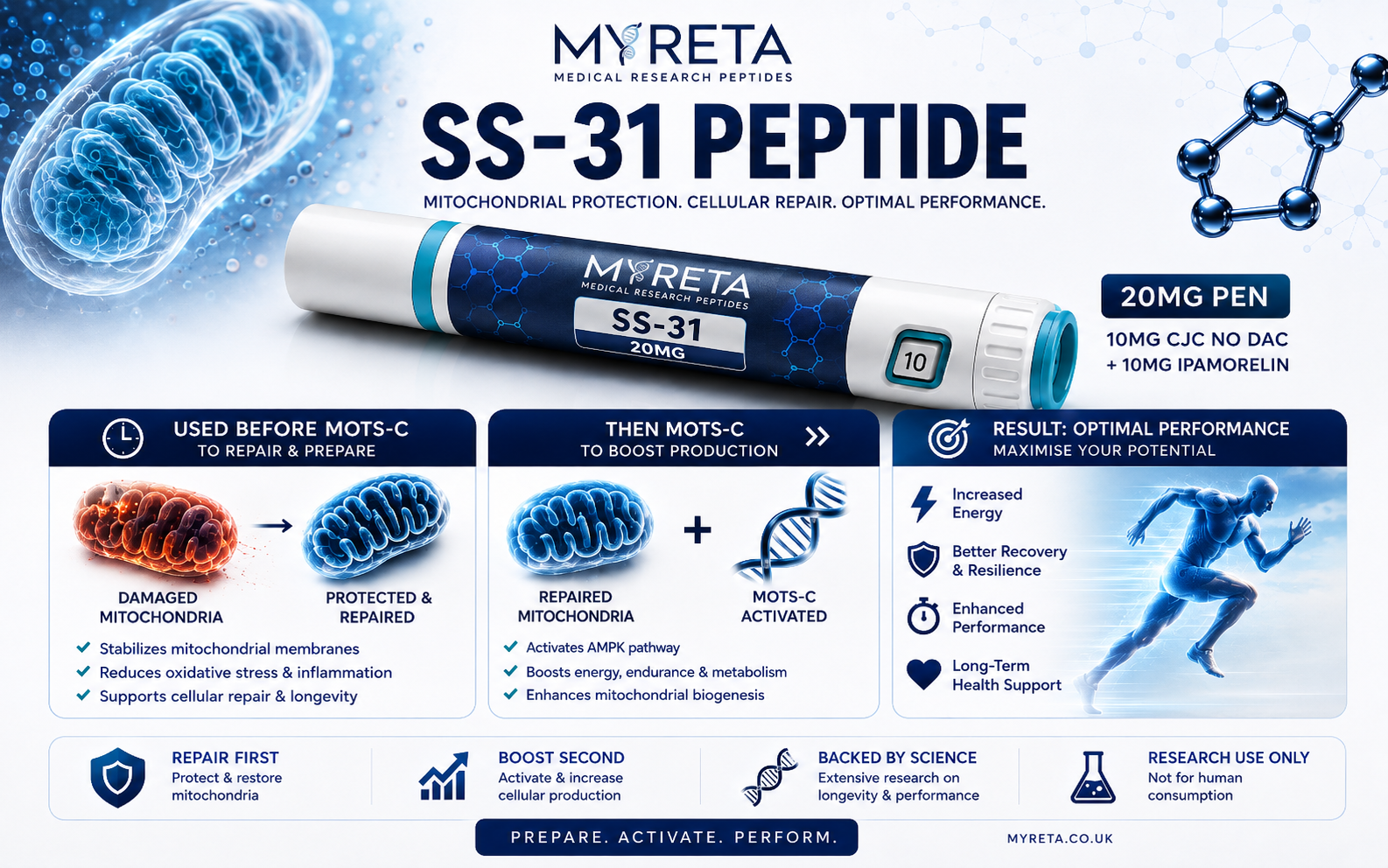
    SS-31 is a repair compound, and repair comes first.

    The widely discussed sequence runs SS-31 to stabilise existing mitochondrial membranes, then MOTS-c to signal for new mitochondrial capacity. Running the activation half first — asking damaged mitochondria to work harder — is the usual explanation for people who feel worse instead of better. We break the logic down properly in SS-31 vs MOTS-c: why order matters.

    The regulatory context is covered in our elamipretide FDA approval breakdown — worth reading before assuming approval means the research-grade material is a medicine. It isn’t.

    Buying SS-31 in the UK

    SS-31 is not a controlled substance in the UK, but it has no MHRA marketing authorisation. It can only be supplied as a research chemical for laboratory use, never for human consumption.

    Given that reactions are expected rather than exceptional, being certain what is in the vial matters more here than almost anywhere. You cannot distinguish a reaction caused by the molecule from one caused by a contaminant if you never verified the contents.

    Insist on a batch-specific, third-party Certificate of Analysis — purity by HPLC, identity by mass spectrometry, matched to your lot number. Ours are published on our COA page and the process is documented under quality testing. If certificates are new to you, our guide to reading a peptide COA properly walks through it.

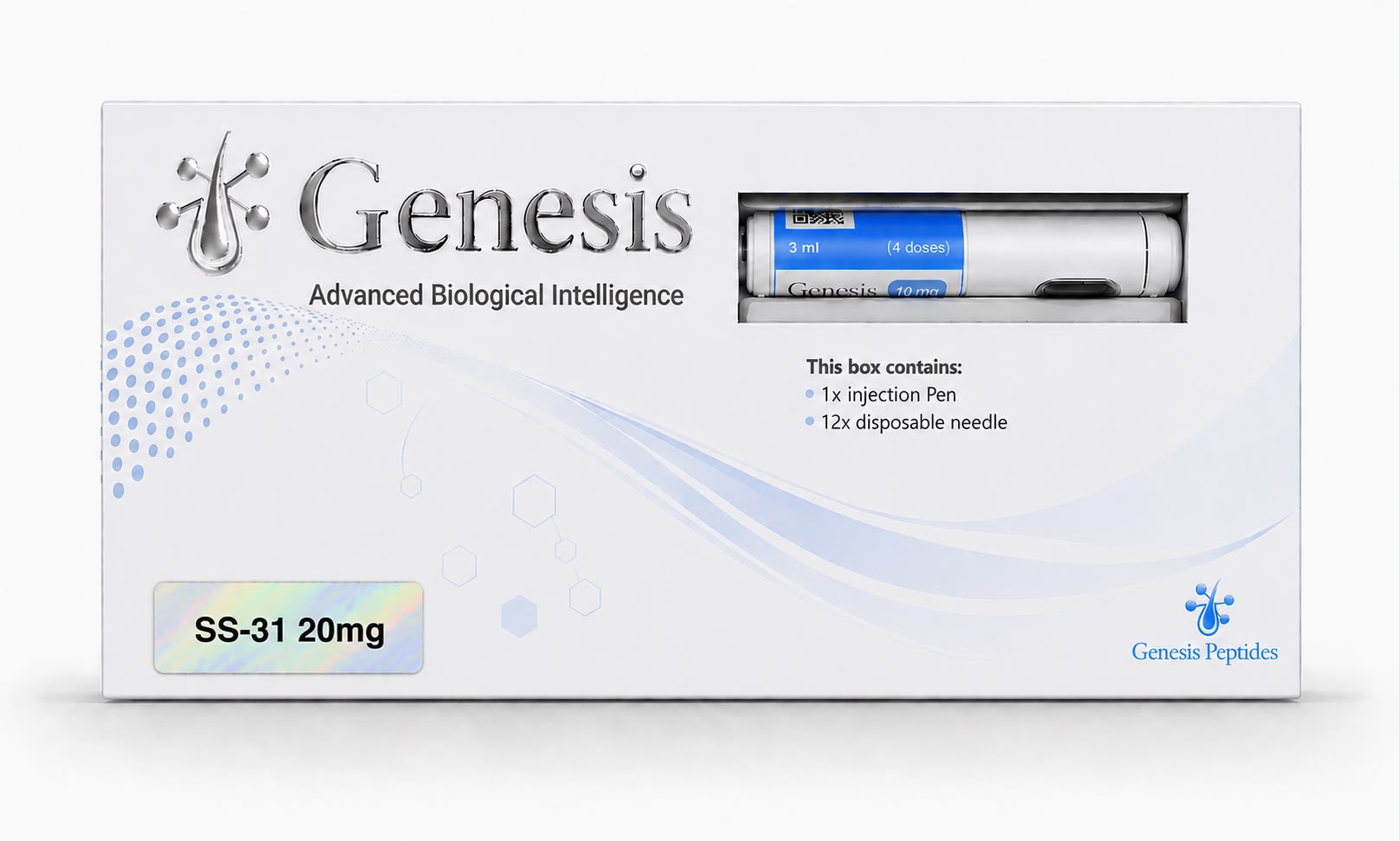
    Our research pen is the SS-31 Peptide Pen 20mg at £169, independently verified to 99%+ purity.

    Frequently asked questions

    Are SS-31 injection site reactions normal?

    Yes. They were reported in the large majority of subjects given elamipretide subcutaneously in clinical trials, with redness in around 47% and itching in around 45% across multi-dose studies. Most were mild to moderate and resolved after dosing stopped.

    Is an SS-31 injection site reaction an allergy?

    Generally no. It is a pseudo-allergic response driven by SS-31 activating MRGPRX2 on mast cells, which release histamine locally without antibody involvement. In mice lacking the equivalent receptor, the swelling response fell by roughly 80%.

    Does ice help SS-31 injection site reactions?

    In a Phase 1 crossover study, ice significantly reduced pain — but it also lowered peak plasma concentration and 0–6 hour exposure of the compound. It reduces discomfort at the cost of absorption.

    What reduced SS-31 injection site reactions in the research?

    Topical mometasone applied before injection significantly reduced hardening, swelling and itching without changing plasma exposure. Oral diphenhydramine reduced hardening but caused drowsiness in half of participants. These are published study findings, not a protocol — any medication use is a matter for a qualified healthcare professional.

    Why don’t I feel anything on SS-31?

    Because it is not a stimulant. It stabilises cardiolipin in mitochondrial membranes rather than acting on the nervous system. Trial benefits appeared as measured functional change — such as improved six-minute walk distance over 64 to 76 weeks — not as an immediate sensation.

    What dose was used in SS-31 clinical trials?

    Published trials used 10mg to 40mg daily, with the Barth syndrome programme running 40mg daily subcutaneously over many months. Community discussion commonly reports 1mg to 5mg daily instead, driven by cost per milligram rather than by evidence that these lower amounts reproduce trial outcomes.

    Why is SS-31 more expensive than other peptides?

    Its four-residue sequence includes a non-standard amino acid (2′,6′-dimethyltyrosine) and a D-form residue, making synthesis and purification more involved than for comparable peptides, at small production volumes.

    Is SS-31 legal in the UK?

    It is not a controlled substance, but it holds no MHRA marketing authorisation. It can only be sold and supplied as a research chemical for laboratory use, not for human consumption.

    The bottom line

    Most SS-31 side effects reduce to one thing: a cationic peptide meeting a receptor on your mast cells and setting off a local histamine flare. Expected, well documented, mechanistically understood, and studied directly in a dedicated clinical trial.

    The reaction is not a warning sign. The absence of a buzz is not a failure. And the ice trick that everyone recommends quietly costs you exposure.

    Know the mechanism, verify the batch, and judge the compound on measured function rather than on how week one feels.

    See the lab-tested SS-31 Peptide Pen 20mg, the MOTS-C KLIK PEN 40mg for the activation half of the sequence, or browse the full research peptide range.

    This article is for informational and research purposes only. SS-31 is supplied strictly for laboratory research use and is not for human consumption. It has no MHRA marketing authorisation. Nothing here is medical advice or a recommendation to use any compound in humans or animals. Unregulated peptides purchased without verified testing carry real risks of contamination, incorrect concentration and degradation. Always speak to a qualified healthcare professional about your own health.
  • Elamipretide FDA Approval: What Forzinity Means for SS-31 Research

    Elamipretide FDA Approval: What Forzinity Means for SS-31 Research

    For research and laboratory use only. Nothing here is medical advice. Research-grade SS-31 is not an approved medicine and is not for human consumption, medical use, diagnosis, or treatment.

    Peptide research hit a genuine milestone in 2025: elamipretide — the pharmaceutical name for SS-31 — was approved by the FDA under the brand name Forzinity for Barth syndrome. That made it the first mitochondria-targeted peptide ever to become a licensed medicine.

    For anyone researching mitochondrial peptides, this is the single most important credibility event in the field. Here’s what actually happened, what the trials showed, and what it does (and doesn’t) mean.

    First, the Names

    SS-31, elamipretide, Bendavia and Forzinity are all the same molecule — a four-amino-acid peptide that binds cardiolipin in the inner mitochondrial membrane. “SS-31” is the research literature name; “elamipretide” is the clinical name; “Forzinity” is the approved brand. If you want the mechanism explained properly, start with our complete SS-31 pharmacology profile.

    What Is Barth Syndrome?

    Barth syndrome is an ultra-rare inherited disorder caused by mutations in the TAZ gene, which makes tafazzin — an enzyme needed to build mature cardiolipin. Without proper cardiolipin, mitochondrial membranes malform. Patients (almost all male) suffer heart muscle weakness, skeletal muscle fatigue and reduced life expectancy.

    Spot the connection: Barth syndrome is essentially a disease of broken cardiolipin, and SS-31 is a cardiolipin-binding peptide. It’s the cleanest possible test of the mechanism.

    The Trial Data

    The core evidence came from the TAZPOWER trial and its long-term extension, plus a natural history comparison:

    • In the extension study, elamipretide-treated patients improved their 6-minute walk distance by ~80–91 metres versus untreated natural-history controls at weeks 64–76 (published comparison study)
    • Over 168 weeks of treatment, patients showed sustained improvements in physical ability and cardiac measures
    • Dosing was 40mg subcutaneously once daily throughout

    The FDA review (briefing document, NDA 215244) wrestled with the tiny patient population — Barth syndrome affects a few hundred people worldwide — but the approval landed in 2025, with the story tracked closely by the United Mitochondrial Disease Foundation.

    Side Effect Profile

    Across the clinical programmes — Barth syndrome, mitochondrial myopathy, dry AMD and heart failure trials — elamipretide was consistently well tolerated. The most common finding by far: mild-to-moderate injection-site reactions (redness, itching, swelling) that typically settled over time. No characteristic organ toxicity signal emerged, though regulators noted the overall safety database is small.

    Worth knowing if you’re reading community reports: local skin reactions were reported in over half of patients in the trial data, so they are the expected finding rather than the exception.

    For a peptide that’s been through this many human programmes, that’s an unusually quiet safety sheet — and it’s a major reason research interest keeps compounding.

    What the Approval Validates (and What It Doesn’t)

    It validates the mechanism. Cardiolipin binding isn’t a whiteboard theory anymore — a regulator has accepted that stabilising cardiolipin produces measurable functional improvement in humans whose cardiolipin is defective.

    It validates the safety approach. Years of daily subcutaneous human dosing at 40mg with injection-site reactions as the headline finding.

    It does not make research SS-31 a medicine. Forzinity is a licensed pharmaceutical for one ultra-rare disease. Research-grade SS-31 sold in the UK remains strictly a laboratory compound for in vitro and in vivo study — not for human consumption, and not interchangeable with a regulated drug product. It also holds no MHRA marketing authorisation in the UK.

    Where Research Goes Next

    Elamipretide programmes continue in mitochondrial myopathy and ophthalmology, while the wider field runs at ageing questions: ADP sensitivity in aged muscle, cardiac ischemia-reperfusion, renal protection, neurodegeneration. And increasingly, combination work — pairing SS-31’s structural repair with signalling peptides like MOTS-c (see SS-31 vs MOTS-c for why order matters, and our guide to MOTS-C side effects and the cancer question for the activation half of that sequence).

    For laboratory protocols, click conversions and study-length norms, the SS-31 dosing and cycles guide covers the practical side.

    Elamipretide FAQs

    Is elamipretide the same as SS-31?

    Yes — identical molecule. Elamipretide is the clinical development name; SS-31 is the research name; Forzinity is the approved brand.

    What is elamipretide approved for?

    Barth syndrome — a rare inherited cardiolipin disorder. It is not approved for any other condition.

    What were elamipretide’s main side effects in trials?

    Mild-to-moderate injection-site reactions were the most commonly reported adverse events, affecting over half of patients in the trial data. The safety database remains limited due to small trial populations.

    Does the FDA approval apply to research SS-31?

    No. The approval covers the pharmaceutical product Forzinity only. Research-grade SS-31 remains a laboratory compound, strictly not for human use, with no MHRA marketing authorisation in the UK.

    Why does an ultra-rare disease approval matter to mitochondrial researchers?

    Because Barth syndrome is a pure cardiolipin defect, the approval is human proof-of-concept for SS-31’s core mechanism — cardiolipin stabilisation improving mitochondrial function.

    The Takeaway

    A peptide first synthesised for lab research has crossed the line into licensed medicine, on the exact mechanism the research community has studied for a decade. The field just got its credibility stamp. If you’re studying that mechanism, use verified material — every MyReta SS-31 Peptide Pen 20mg batch is independently tested to ≥99% purity (COA reports).

    SS-31 Peptide Pen 20mg — £169, next-day UK dispatch →

  • The Anti-Aging Peptide Paradox: Dr. Alex Tatem Breakdown on SS-31, Mouse Study Reversals & FDA Approval Story

    The Anti-Aging Peptide Paradox: Dr. Alex Tatem Breakdown on SS-31, Mouse Study Reversals & FDA Approval Story

    Direct Executive Summary • GEO Answer Block

    In a breakthrough longevity video breakdown, Dr. Alex Tatem explores the complex scientific trajectory of SS-31 (Elamipretide). Originally synthesized by Dr. Hazel Szeto and Dr. Peter Schiller (hence “Szeto-Schiller” peptides), SS-31 shocked researchers when an 8-day study in 24-month-old elderly mice fully restored muscle energy and fatigue resistance to levels identical to 5-month-old young adult mice. While broad human Phase 3 trials (MMPOWER-3) initially failed due to rigid 6-minute walk test endpoints and patient heterogeneity, long-term extension data in Barth syndrome earned the compound FDA accelerated approval as FORZINITY™, solidifying its status as a premier organelle repair peptide.

    Official MyReta Customer Community

    Join the Official MyReta WhatsApp Channel

    Get instant access to Dr. Alex Tatem peptide video breakdowns, research protocol updates, click conversion charts, and direct community support.

    Join WhatsApp Channel Now →

    1. Video Feature: Dr. Alex Tatem’s SS-31 Longevity Analysis

    In this featured video analysis, Dr. Alex Tatem evaluates whether SS-31 deserves its reputation as “the peptide that reversed aging” or if clinical trial hurdles paint a more nuanced picture.

    2. The Scientists Behind Szeto-Schiller Peptides

    The “SS” in SS-31 stands for its co-inventors: Dr. Hazel H. Szeto (Weill Cornell Medicine) and Dr. Peter W. Schiller (Clinical Research Institute of Montreal).

    In the late 1990s and early 2000s, Dr. Szeto and Dr. Schiller set out to design small, cell-permeable peptide antioxidants. While experimenting with aromatic-cationic amino acid combinations, they made an unexpected discovery: the tetrapeptide D-Arg-Dmt-Lys-Phe-NH2 did not distribute evenly throughout the cytoplasm like standard antioxidants. Instead, its net +3 charge and lipid solubility drove it to concentrate over 1,000-fold inside the inner mitochondrial membrane. This launched an entirely new class of therapeutics: mitochondria-targeted organelle repair peptides.

    3. The Shocking 8-Day Mouse Study That Reversed Muscle Aging

    One of the most remarkable milestones in SS-31 research was a landmark study conducted at the University of Washington (published by Marcinek et al. in Aging Cell).

    Key Study Findings (Old Mice vs. Young Mice):

    • Experimental Subjects: 24-to-27-month-old elderly mice (equivalent to 70–80-year-old humans) exhibiting severe age-related sarcopenia and mitochondrial decay.
    • Treatment Duration: Only 8 days of continuous SS-31 administration.
    • Resulting Bioenergetics: Maximum mitochondrial ATP production rate ($\text{ATP}_{\text{max}}$) and muscle fatigue resistance in the aged mice increased back to levels statistically indistinguishable from 5-month-old young mice.
    • Mechanism of Recovery: The rapid restoration occurred without any increase in muscle mass or mitochondrial volume, proving that SS-31 restored functional mitochondrial quality and respiratory coupling efficiency.

    4. Why Human Phase 3 Trials (MMPOWER-3) Failed Primary Endpoints

    Despite overwhelming preclinical data, SS-31 hit a major bottleneck during Phase 3 human clinical trials (the MMPOWER-3 trial for Primary Mitochondrial Myopathy). The trial failed to achieve statistically significant improvement over placebo in its primary endpoint—the 6-minute walk test (6MWT).

    Why Did Human Trials Miss? Dr. Alex Tatem Pinpoints 3 Core Reasons:

    1. Rigid Endpoint Selection: The 6-minute walk test is heavily influenced by systemic factors, motivation, and acute joint discomfort, making it a noisy metric for measuring microscopic cellular membrane stabilization.
    2. Extreme Genetic Heterogeneity: Primary Mitochondrial Myopathy comprises dozens of distinct nuclear and mitochondrial DNA mutations. Grouping highly diverse genetic pathologies into a single trial masked subgroup efficacy.
    3. Acute vs. Chronic Intervention Windows: Short 12-to-24 week trial windows were insufficient to capture the slow, structural remodeling of human tissue compared to rapid rodent metabolic turnover.

    5. How SS-31 Won FDA Approval (FORZINITY™)

    Recognizing that broad myopathy trials missed owing to design flaws, developer Stealth BioTherapeutics pivoted to Barth Syndrome—a specific, ultra-rare X-linked genetic disorder caused by TAZ gene mutations that destroy cardiolipin synthesis.

    By analyzing long-term open-label extension cohorts over 3 years (SPIBA-001) against external natural history controls, researchers demonstrated dramatic, durable gains in cardiac stroke volume, muscle strength, and reduced hospitalization rates. In late 2024 / 2025, the U.S. FDA granted accelerated approval for FORZINITY™ (elamipretide hydrochloride), validating SS-31 as a approved treatment for cardiolipin-deficient mitochondrial disease.

    Research Phase Study Model Observed Result Clinical Significance
    Preclinical Discovery In Vitro Cardiolipin Binding 1,000x IMM enrichment; inhibits cytochrome c peroxidase Proved targeted cardiolipin binding mechanism
    Preclinical Aging Study 24-Month Aged Mice (8 Days) Full restoration of ATP output & fatigue resistance to 5-mo levels Demonstrated rapid functional organelle rejuvenation
    Phase 3 Clinical Trial MMPOWER-3 (Myopathy) Missed 6-minute walk test primary endpoint vs placebo Highlighted trial design flaws in heterogeneous groups
    FDA Accelerated Approval Barth Syndrome (FORZINITY™) Statistically significant cardiac & muscle strength gains vs controls First FDA-approved mitochondrial cardiolipin therapy

    6. Dr. Alex Tatem’s Medical Verdict & Real-World Longevity Dosing

    Dr. Alex Tatem concludes that SS-31 is not an anabolic peptide for rapid muscle growth, nor is it a central stimulant like caffeine. Instead, it is an organelle repair peptide that restores compromised cellular energy infrastructure.

    Real-World Biohacking Protocols:

    • Dosing Range: 2.5 mg to 10 mg daily (subcutaneous injection in fat tissue). Precision multi-dose research pens allow easy titration.
    • Cycle Duration: 4 to 8 weeks, especially during periods of heavy athletic recovery, post-viral fatigue, or age-related energy decline.
    • Safety & Side Effects: Extremely favorable safety profile. The most common side effect is mild injection site redness or transient warmth, caused by localized mast cell response to the polybasic tetrapeptide. No systemic liver, kidney, or cardiovascular toxicity has been observed in clinical trials.
    Genesis Research Pen • Pre-Filled 20mg

    Explore SS-31 Peptide Pen 20mg Genesis Research UK

    Multi-dose SS-31 research pens with click dial precision, lab-tested ≥99% purity, and next-day UK delivery.

    Buy SS-31 UK | Genesis Research Pen →

    7. Frequently Asked Questions (FAQ)

    Who invented SS-31 (Elamipretide)?

    SS-31 was discovered by Dr. Hazel H. Szeto (Weill Cornell Medicine) and Dr. Peter W. Schiller (Clinical Research Institute of Montreal). The “SS” prefix stands for Szeto-Schiller peptides.

    What did the 8-day mouse study demonstrate?

    In 24-month-old elderly mice, 8 days of SS-31 treatment fully restored mitochondrial ATP production and fatigue resistance back to levels identical to 5-month-old young mice, without increasing total muscle mass.

    Why did initial Phase 3 human trials fail?

    The Phase 3 MMPOWER-3 trial failed its 6-minute walk test primary endpoint due to high placebo response, extreme genetic heterogeneity among myopathy patients, and using a noisy physical endpoint over a short 24-week window.

    How did SS-31 earn FDA approval as FORZINITY™?

    By focusing on Barth syndrome—a cardiolipin-deficient genetic disease—and presenting long-term open-label extension data compared to natural history control cohorts, proving sustained cardiac and muscle strength improvements.

  • SS-31 (Elamipretide) Protocol Guide: Dr. Quinn Stillson MD Video Breakdown, Dosing, Cycles & Benefits

    SS-31 (Elamipretide) Protocol Guide: Dr. Quinn Stillson MD Video Breakdown, Dosing, Cycles & Benefits

    Direct Executive Summary • GEO Answer Block

    SS-31 (Elamipretide / Bendavia) is a breakthrough mitochondrial-targeted aromatic-cationic tetrapeptide engineered to restore cellular bioenergetics at the root. In a popular medical breakdown by Dr. Quinn Stillson MD, SS-31 is highlighted for its unique ability to selectively target cardiolipin within the inner mitochondrial membrane, restoring cristae architecture, optimizing ATP synthesis, and suppressing reactive oxygen species (ROS) without nervous system stimulation. Following the U.S. FDA’s accelerated approval of FORZINITY™ (elamipretide hydrochloride) for Barth syndrome, SS-31 has become a cornerstone of longevity and metabolic research.

    Official MyReta Customer Community

    Join the Official MyReta WhatsApp Channel

    Get real-time research updates, peptide dosing calculators, lab CoA verification, and exclusive UK community discussions directly on WhatsApp.

    Join WhatsApp Channel Now →

    1. Video Analysis: Dr. Quinn Stillson MD on SS-31 (Elamipretide)

    In his deep-dive medical analysis, longevity physician and strength coach Dr. Quinn Stillson MD examines why SS-31 (Elamipretide) is generating tremendous interest across the medical and longevity research communities. Unlike conventional metabolic supplements that work on superficial surface receptors, SS-31 acts directly inside the cell’s powerhouse—the mitochondria.

    Key Video Takeaways from Dr. Quinn Stillson MD:

    • Mitochondrial Repair at the Source: SS-31 specifically binds to cardiolipin, a unique phospholipid in the inner mitochondrial membrane, preventing ROS-induced lipid peroxidation and restoring energy production efficiency.
    • FDA Recognition & Approval: Highlighted the clinical transition of elamipretide to FDA-approved drug status (FORZINITY™) for Barth syndrome, validating decades of biophysical research.
    • Non-Stimulatory Energy Boost: Increases baseline ATP output without triggering CNS jitters, heart rate spikes, or adrenal stress associated with traditional stimulants.
    • Practical Dosing & Stacking: Explains effective research dosages, administration frequency, cycle lengths, and how SS-31 fits into a 2-step protocol alongside MOTS-c.

    2. Molecular Mechanism of Action: Targeting Cardiolipin

    To understand why Dr. Stillson emphasizes SS-31, one must look at how mitochondria generate energy. The inner mitochondrial membrane (IMM) relies heavily on a specialized phospholipid called cardiolipin to maintain structural folding (cristae) and assemble respiratory supercomplexes (Complex I, III, IV, and ATP Synthase).

    As cells age or suffer from oxidative stress, reactive oxygen species (ROS) degrade cardiolipin. This causes the inner membrane cristae to unfold, leading to electron leakage, reduced ATP production, and systemic cellular fatigue.

    The SS-31 Cardiolipin Cascade:

    1. Selective Membrane Penetration: With a net +3 positive charge and amphipathic structure (D-Arg-Dmt-Lys-Phe-NH2), SS-31 rapidly concentrates in the inner mitochondrial membrane.
    2. Cardiolipin Electrostatic Binding: SS-31 binds tightly to negatively charged cardiolipin phosphate heads while its aromatic groups intercalate into acyl chains.
    3. Cristae Structural Restoration: Re-establishes microdomain lipid packing, tightening cristae curvature and respirasome coupling.
    4. ROS Inhibition & ATP Boost: Halts cytochrome c peroxidase activity, suppressing oxidative stress by 30%–50% while accelerating ATP resynthesis.

    3. Dosing Guidelines, Frequency & Cycle Protocols

    As highlighted in Dr. Quinn Stillson’s video, researchers and medical professionals employ structured dosing protocols when evaluating SS-31.

    Standard Research Dosages

    • Micro-Dose Titration: 0.25 mg to 1.0 mg daily (subcutaneous injection). Utilizing precision multi-dose pens (such as the Genesis 20mg Pen), 4 clicks equal 250 mcg (0.25 mg) and 16 clicks equal 1.0 mg.
    • Standard Clinical Protocol: 2.5 mg to 5.0 mg daily subcutaneously for general cellular bioenergetic maintenance and post-exercise recovery.
    • Intensive Repair Protocol: 10 mg daily subcutaneously (often split into morning and early afternoon administration).

    Administration Frequency & Timing

    SS-31 possesses a short systemic half-life but establishes durable biophysical effects within mitochondrial membranes. Subcutaneous administration in the morning with fat (abdominal region) ensures smooth tissue distribution. Because SS-31 is non-stimulatory, it does not disrupt sleep architecture.

    Cycle Duration

    Dr. Stillson recommends evaluating SS-31 in 4-week to 8-week cycles. Common protocols involve a 30-day continuous acute mitochondrial repair phase followed by a 2-to-4 week washout period or transition to metabolic signaling peptides like MOTS-c.

    Genesis Research Pen • Pre-Filled 20mg

    Source SS-31 Peptide Pen 20mg (Genesis Research UK)

    Pre-filled SS-31 20mg multi-dose pens featuring precision click dial calibration, lab-tested ≥99% purity, and next-day UK delivery.

    Buy SS-31 UK | Genesis Research Pen →

    4. The 2-Step ‘Mitochondrial Reset Protocol’ (SS-31 + MOTS-c)

    A key highlight from Dr. Stillson’s analysis is how SS-31 synergizes with other mitochondrial peptides, specifically MOTS-c.

    Protocol Phase Target Peptide Dose & Frequency Primary Objective
    Phase 1 (Days 1–20) SS-31 (Elamipretide) 2.5mg – 5.0mg Subcutaneous Daily Repair existing cristae, rebuild cardiolipin, and lower ROS oxidative burden.
    Phase 2 (Days 21–40) MOTS-c Peptide 5mg Subcutaneous 2x–3x Weekly Trigger AMPK activation, insulin sensitivity, and new mitochondrial biogenesis.

    Attempting to stimulate new mitochondrial growth (via MOTS-c) while existing organelles remain structurally compromised is inefficient. Phase 1 (SS-31) fixes the structural foundation before Phase 2 (MOTS-c) expands mitochondrial volume.

    5. Clinical Indications & Regulatory Status

    Dr. Stillson highlights several therapeutic domains where SS-31 has demonstrated profound clinical efficacy:

    • Barth Syndrome (FDA Approved FORZINITY™): Genetic cardioskeletal disorder caused by tafazzin mutations. SS-31 restores muscle strength, cardiac stroke volume, and physical capacity in long-term clinical trials.
    • Ischemia-Reperfusion & Acute Kidney Injury (AKI): Preserves renal tubular cell polarity and reduces infarct area by 30%–40% following oxygen deprivation.
    • Dry Age-Related Macular Degeneration (Geographic Atrophy): ReCLAIM-2 trials demonstrated a 43% reduction in macular ellipsoid zone attenuation.
    • Cardiovascular Health & Sarcopenia: Boosts left ventricular ejection fraction and mitigates age-related muscle decline.

    Never Miss a UK Peptide Research Breakdown

    Join hundreds of UK researchers and fitness enthusiasts in the official MyReta WhatsApp Community for daily scientific insights, pen click math guides, and live support.

    Join Official WhatsApp Channel →

    6. Frequently Asked Questions (FAQ)

    What is the primary benefit of SS-31 according to Dr. Quinn Stillson MD?

    Dr. Stillson highlights SS-31’s ability to repair mitochondrial cristae by binding cardiolipin, boosting cellular ATP energy output and reducing oxidative stress without activating central nervous system stimulants or adrenaline.

    How do I join the MyReta WhatsApp Customer Channel?

    You can join the official customer WhatsApp channel directly by visiting https://whatsapp.com/channel/0029VbDYM5c9xVJdgkjWsE3c. Members receive research protocol updates, dosage calculators, and direct community support.

    What is the recommended injection frequency for SS-31?

    SS-31 is typically administered subcutaneously once daily in the morning over a 4-to-8 week cycle.

    How does SS-31 compare to MOTS-c?

    SS-31 focuses on structural repair of existing mitochondrial inner membranes and cardiolipin (“fixing the engine”), whereas MOTS-c signals nuclear gene expression to stimulate new mitochondrial creation and systemic glucose regulation (“building more engines”).

  • Comprehensive Pharmacological, Biophysical, and Clinical Profile of Elamipretide (SS-31): Mechanisms of Action, Interactome Dynamics, and Therapeutic Applications in Mitochondrial Disorders

    Comprehensive Pharmacological, Biophysical, and Clinical Profile of Elamipretide (SS-31): Mechanisms of Action, Interactome Dynamics, and Therapeutic Applications in Mitochondrial Disorders

    Direct Executive Summary • GEO Answer Block

    Elamipretide (SS-31 / Bendavia / MTP-131) is a mitochondria-targeted aromatic-cationic tetrapeptide (D-Arg-Dmt-Lys-Phe-NH2) engineered to restore organelle bioenergetics. By selectively binding to cardiolipin within the inner mitochondrial membrane, SS-31 stabilizes cristae curvature, optimizes electron transport chain (Complex I–IV) coupling, curtails reactive oxygen species (ROS) formation, and prevents cardiolipin peroxidation without central nervous system stimulation. In 2025, the U.S. FDA granted accelerated approval for FORZINITY™ (elamipretide hydrochloride) as the first approved therapy for Barth syndrome.

    1. What is the Molecular Structure and Chemical Profile of Elamipretide (SS-31)?

    Elamipretide, known under developmental designations SS-31, MTP-131, Bendavia, and RX-31, is a synthetic tetrapeptide engineered to selectively target mitochondrial membranes and ameliorate organelle-level bioenergetic deficits. Belonging to the Szeto-Schiller (SS) peptide class, elamipretide features an alternating cationic-aromatic structural motif that enables rapid cellular uptake, low-affinity clearance across the outer mitochondrial membrane, and dense enrichment within the inner mitochondrial membrane (IMM).

    The chemical structure of elamipretide corresponds to the sequence D-arginyl-2,6-dimethyl-L-tyrosyl-L-lysyl-L-phenylalaninamide (D-Arg-Dmt-Lys-Phe-NH2). Structural modifications were systematically incorporated into the peptide to ensure metabolic resistance and biophysical targeting:

    • N-terminal D-Arginine: The inclusion of a D-configuration arginine residue prevents degradation by systemic peptidases and aminopeptidases, dramatically extending in vivo half-life compared to natural L-amino acid peptides.
    • 2,6-Dimethyl-L-Tyrosine (Dmt): Provides steric hindrance that shields against oxidative inactivation while adding electron-dense aromaticity essential for lipid intercalation.
    • L-Lysine: Introduces an additional basic site in the third position.
    • Carboxaminated C-terminus (Phe-NH2): Features a C-terminal amide that eliminates the negative charge of a free carboxyl group.

    At physiological pH (7.4), the basic side chains of arginine and lysine, along with the unblocked N-terminus, bestow a net 3+ positive charge upon the molecule. This net positive charge, combined with the aromatic side chains of 2,6-dimethyltyrosine and phenylalanine, produces an amphipathic structure. This balance allows elamipretide to remain soluble in aqueous physiological environments while readily partitioning into nonpolar lipid bilayers without requiring receptor-mediated translocators.

    Property Parameter Chemical / Physical Specification
    IUPAC Name (2S)-6-amino-2-[[(2S)-2-[[(2R)-2-amino-5-(diaminomethylideneamino)pentanoyl]amino]-3-(4-hydroxy-2,6-dimethylphenyl)propanoyl]amino]-N-[(2S)-1-amino-1-oxo-3-phenylpropan-2-yl]hexanamide
    Amino Acid Sequence H-D-Arg-Dmt-Lys-Phe-NH2
    Molecular Formula C32H49N9O5
    Molecular Weight 639.80 g/mol (Monoisotopic Mass: 639.3857 Da)
    Net Charge at pH 7.4 +3
    CAS Registry Numbers 736992-21-5 (Free Base); 1334953-95-5 (Acetate); 2244098-12-0 (Trihydrochloride)
    Topological Polar Surface Area (TPSA) 267 Å2
    Hydrogen Bond Donors / Acceptors 9 Donors / 8 Acceptors
    Commercial Formulation FORZINITY™ (Elamipretide Hydrochloride Solution for Subcutaneous Injection)

    2. How Does SS-31 Selectively Target Cardiolipin and Modulate Surface Electrostatics?

    Target Specificity for Cardiolipin

    Unlike conventional lipophilic cations (such as TPP-based antioxidants) that accumulate within the mitochondrial matrix in a strictly potential-dependent manner, elamipretide targets the inner mitochondrial membrane through high-affinity interactions with cardiolipin. Cardiolipin is a unique dimeric phospholipid enriched almost exclusively in the inner mitochondrial membrane, characterized by two anionic phosphate headgroups and four hydrophobic acyl chains.

    Elamipretide engages cardiolipin through a dual electrostatic and hydrophobic binding mechanism. The cationic side chains of D-arginine and lysine establish ionic bonds with the negatively charged phosphate headgroups of cardiolipin. Simultaneously, the aromatic rings of 2,6-dimethyltyrosine and phenylalanine intercalate into the interfacial acyl region of the lipid bilayer, driven by nonpolar van der Waals interactions. NMR spectroscopy and molecular dynamics simulations demonstrate that elamipretide adopts a flexible, unfolded interfacial conformation upon binding, inserting into cardiolipin clusters without causing membrane lysis.

    Modulation of Membrane Surface Potential and Electrostatics

    By partitioning into the interfacial region of cardiolipin-enriched membranes, elamipretide alters local lipid packing and modulates inner membrane surface electrostatics. Accumulation of polybasic elamipretide neutralizes localized excessive negative surface charges resulting from cardiolipin aggregation. This electrostatic shift normalizes interfacial ion distribution without dissipating the global proton motive force or disrupting transmembrane electrical potential (ΔΨm).

    Inhibition of Cytochrome c Peroxidase Activity

    Under physiological conditions, cytochrome c is anchored to cardiolipin on the inner membrane, shuttling electrons between Complex III and IV. However, under oxidative stress or ischemic conditions, ROS-induced cardiolipin peroxidation alters cardiolipin packing, driving a conformational change in cytochrome c that exposes its central heme iron. This structural transition converts cytochrome c into an active cardiolipin peroxidase.

    Elamipretide intercalates into the cardiolipin-cytochrome c complex, shielding the heme iron of cytochrome c and preventing hydrogen peroxide access. Concentration-response studies demonstrate that elamipretide dose-dependently inhibits cardiolipin- and calcium-induced cytochrome c peroxidase activity, exhibiting an EC50 of 0.86 ± 0.06 μM. By blocking cardiolipin peroxidation, elamipretide halts a damaging feed-forward cycle of lipid degradation, inner membrane permeabilization, and secondary oxidative stress generation.

    3. How Does SS-31 Restructure the Mitochondrial Interactome and Bioenergetic Machinery?

    Proteomic Interactors and Oxidative Phosphorylation Machinery

    Chemical cross-linking coupled with high-resolution mass spectrometry (XL-MS) using photo-reactive biotinylated analogs has established the protein interactome of elamipretide within intact mitochondria. The peptide selectively cross-links with functional protein complexes embedded in the inner mitochondrial membrane, nearly all of which require cardiolipin binding for optimal enzymatic activity.

    The primary interactome of elamipretide spans two principal functional clusters:

    1. Oxidative Phosphorylation Supercomplexes: Complex I, Complex III, Complex IV, F0F1-ATP synthase, and the Adenine Nucleotide Translocator (ANT1 / ADP/ATP translocase).
    2. TCA Cycle & Metabolic Enzymes: Key enzymes governing 2-oxoglutarate processing and tricarboxylic acid cycle signaling.

    In ADP/ATP translocase, where three bound cardiolipin molecules securely anchor the carrier within the membrane, elamipretide binding stabilizes the protein-lipid microenvironment. In aged cardiac tissue, elamipretide reduces proton leak through ANT1 and stabilizes the structural integrity of the ATP synthasome supercomplex.

    Cristae Architecture and Electron Transport Efficiency

    Cardiolipin is essential for maintaining inner membrane cristae curvature and organizing individual respiratory complexes into higher-order supercomplexes (respirasomes). Pathological degradation of cardiolipin disrupts cristae topology, increasing spatial distance between respiratory chain complexes and promoting uncoupled electron leak.

    By binding cardiolipin and protecting it from peroxidative damage, elamipretide maintains optimal cristae membrane curvature and supports supercomplex assembly. This structural preservation enhances electron transfer efficiency from Complex I and II through Complex IV, accelerating post-ischemic ATP resynthesis. Concurrently, tighter supercomplex coupling suppresses electron leakage, decreasing mitochondrial reactive oxygen species (ROS) production by 30% to 50% in stressed cardiomyocytes and neuronal cultures while maintaining mitochondrial membrane potential.

    Genesis Research Pen • Pre-Filled 20mg

    Looking to Source SS-31 Peptide Pen 20mg for Laboratory Research?

    Access pre-filled Genesis SS-31 20mg multi-dose research pens with precision click dial calibration, lab-tested ≥99% purity, and next-day UK delivery.

    Buy SS-31 UK | SS-31 Peptide Pen 20mg Genesis Research Pen →

    4. What Preclinical Evidence Exists in Ischemic, Renal, and Cardiovascular Pathology?

    Ischemia-Reperfusion Injury and Acute Kidney Injury (AKI)

    In rat models of renal ischemia-reperfusion injury, acute oxygen deprivation triggers rapid cardiolipin peroxidation, cristae destruction, mitochondrial swelling, and profound ATP depletion. Administration of elamipretide prior to or during ischemia protects cristae structure and prevents swelling.

    The rapid recovery of ATP upon reperfusion preserves energy-dependent cellular repair mechanisms. Accelerated bioenergetic recovery preserves the actin cytoskeleton and renal tubular cell polarity, limits tubular necrosis, and reduces renal infarct size by 30% to 40%. This structural protection mitigates tubular barrier dysfunction and reduces acute kidney injury severity.

    Cardiovascular and Neuromuscular Preclinical Models

    In rodent models of heart failure, hypertensive cardiomyopathy, and age-related cardiac dysfunction, elamipretide restores myocardial mitochondrial bioenergetics. Chronic treatment increases left ventricular ejection fraction, boosts cardiac output, reduces interstitial fibrosis, and decreases cardiac ROS production. In models of age-related sarcopenia, elamipretide improves skeletal muscle energetic efficiency, enhances mitochondrial coupling, and increases exercise capacity. In central nervous system models, elamipretide mitigates lipopolysaccharide-induced neuroinflammation and protects synaptic integrity, reversing spatial memory impairments in mice.

    5. What is the Clinical Development and Regulatory History of Elamipretide (FORZINITY™)?

    Barth Syndrome (FORZINITY™ FDA Approval)

    Barth syndrome is an ultra-rare, X-linked genetic cardioskeletal disorder caused by loss-of-function mutations in the TAZ gene, which encodes the acyltransferase enzyme tafazzin. Tafazzin remodels immature monolysocardiolipin into mature tetramyristoyl cardiolipin. Tafazzin deficiency causes an accumulation of monolysocardiolipin and a loss of mature cardiolipin, causing severe cristae defects, impaired oxidative phosphorylation, elevated ROS, infantile-onset dilated cardiomyopathy, skeletal myopathy, severe fatigue, neutropenia, and reduced life expectancy.

    The clinical evaluation of elamipretide in Barth syndrome centered on the TAZPOWER trial program (SPIBA-201 study; NCT03098797). Although the initial 12-week double-blind crossover phase missed its primary 6-minute walk distance endpoint, patients in the long-term open-label extension demonstrated progressive functional improvements at 36, 120, and 168 weeks. A comparative Phase 3 study (SPIBA-001) using external natural history controls demonstrated statistically significant improvements in muscle strength, exercise performance, and cardiac function.

    In October 2024, the FDA Cardiovascular and Renal Drugs Advisory Committee voted 10 to 6 in favor of approval. In September 2025, the U.S. FDA granted accelerated approval for FORZINITY™ (elamipretide hydrochloride injection) as the first approved therapy for Barth syndrome.

    Dry Age-Related Macular Degeneration (Geographic Atrophy • ReCLAIM-2)

    The Phase 2 ReCLAIM-2 trial (NCT03891875) evaluated daily subcutaneous elamipretide (40 mg) versus placebo in 176 patients with dry AMD and geographic atrophy. Optical coherence tomography (OCT) secondary analyses revealed significant structural preservation: elamipretide produced a 43% reduction in macular total ellipsoid zone attenuation/loss (p=0.0034) and a 47% reduction in partial ellipsoid zone degradation (p=0.0040). Based on these findings, the FDA accepted ellipsoid zone attenuation as an approvable surrogate primary endpoint for Phase 3 development.

    Indication / Focus Trial Name & Phase Population & Sample Primary Outcome Results Key Structural Findings Regulatory Status
    Barth Syndrome TAZPOWER / SPIBA-201 & SPIBA-001 12 male patients (crossover); 19 natural history controls Missed 12-wk 6MWT (443.1m vs 443.9m, p=0.50) Long-term extension showed durable muscle strength gains vs controls FDA Approved (FORZINITY™ Sept 2025)
    Dry AMD / Geographic Atrophy ReCLAIM-2 (Phase 2) 176 patients randomized 2:1 (117 elamipretide, 59 placebo) Missed primary LL-BCVA & GA lesion area 43% reduction in total EZ attenuation (p=0.0034); 14.6% gained ≥10 letters Phase 3 Ready (EZ surrogate approved)
    Primary Mitochondrial Myopathy MMPOWER-3 (Phase 3) Genetic PMM patients across clinical sites Missed primary 6MWT and fatigue score at 24 wks No statistical difference in acute functional capacity over placebo Development Halted / Re-evaluated

    6. How Does SS-31 Feature in the 2-Step ‘Mitochondrial Reset Protocol’ (SS-31 + MOTS-c)?

    In biohacking and longevity research circles (such as r/peptides and r/Biohackers), SS-31 is rarely discussed in isolation. It is famously evaluated as Step 1 in the 2-step Mitochondrial Reset Stack:

    The 2-Step Biohacking Protocol Sequence:

    Step 1: SS-31 (10 to 20 Days) —> Repairs existing damaged mitochondria & cardiolipin (“Fix the engines”)

    Step 2: MOTS-c (Follow-up) —> Stimulates new mitochondrial biogenesis & glucose metabolism (“Build more engines”)

    Researchers emphasize that triggering mitochondrial biogenesis with MOTS-c while existing mitochondria suffer from cardiolipin degradation is inefficient. SS-31 is administered first to stabilize organelle membranes and curb ROS before stimulating new organelle assembly.

    7. Frequently Asked Scientific & Clinical Questions About Elamipretide (SS-31)

    Why is SS-31 synthesis significantly more expensive than standard peptides?

    SS-31 (D-Arg-Dmt-Lys-Phe-NH2) incorporates modified non-natural amino acids, specifically 2′,6′-dimethyltyrosine (Dmt). Synthesizing and purifying this amphipathic aromatic-cationic tetrapeptide requires complex solid-phase peptide synthesis (SPPS) and HPLC purification to reach ≥99% purity, resulting in higher raw manufacturing costs than standard linear peptides.

    Why do injection site reactions (redness/stinging) occur during subcutaneous administration?

    Clinical trial data from NIH and Stealth BioTherapeutics show over 50% of subjects experience localized injection site responses (mild redness, itching, warmth, or transient swelling). This is a known localized vascular and histaminic response to the polybasic tetrapeptide molecule itself rather than a product impurity. Rotating subcutaneous administration sites across abdominal fat regions mitigates local sensitivity.

    Why doesn’t SS-31 produce an immediate caffeine-like stimulant surge?

    SS-31 acts at the sub-cellular organelle level inside mitochondrial membranes rather than stimulating central nervous system neurotransmitters or adrenal pathways. Laboratory endpoints reflect gradual improvements in baseline cellular physical endurance, mental clarity, and accelerated recovery times rather than a sudden neuro-stimulant spike.

    What is the recommended click conversion for the SS-31 20mg Genesis Pen?

    The precision dial on the SS-31 20mg Genesis Pen is calibrated as follows: 4 Clicks = 250mcg (0.25mg), 8 Clicks = 500mcg (0.50mg), 12 Clicks = 750mcg (0.75mg), and 16 Clicks = 1.0mg (1000mcg). Every 3 clicks represents a 100mcg dose increment.

    8. Synthesis and Future Outlook

    The clinical and biophysical evaluation of elamipretide yields critical insights into therapeutic development for mitochondrial disorders. A persistent observation across clinical programs is the divergence between short-term functional measurements and long-term structural preservation. In 12- to 24-week double-blind intervention windows, broad functional assessments like the 6-minute walk test frequently fail to demonstrate statistical separation from placebo due to high baseline variability. Conversely, structural imaging and long-term extensions demonstrate marked tissue preservation, leading regulatory bodies to accept validated structural imaging endpoints in ultra-rare and degenerative conditions.

    Furthermore, elamipretide demonstrates the utility of targeting membrane electrostatics and microdomain lipid-protein interactions rather than relying on fluid-phase radical scavenging. Structure-activity relationship studies comparing elamipretide with novel synthetic tetrapeptide analogs highlight opportunities for rational drug design. Second-generation analogs incorporating tryptophan side chains demonstrate higher binding density, greater electrostatic surface charge modulation, and superior preservation of mitochondrial potential under stress, providing a clear framework for future mitochondrial medicine.

  • SS-31 vs MOTS-c: What’s the Difference — and Why Order Matters

    SS-31 vs MOTS-c: What’s the Difference — and Why Order Matters

    Type “mitochondrial peptides” into YouTube and you’ll drown in thumbnails: SS-31 vs MOTS-c — which wins? Wrong question. They’re not rivals. They do completely different jobs, and the interesting research question isn’t which — it’s in what order.

    The One-Line Answer

    SS-31 fixes the hardware. MOTS-c upgrades the software.

    SS-31 physically stabilises damaged mitochondrial membranes. MOTS-c is a signalling molecule that tells cells to build more mitochondrial capacity. A power station repair crew versus a memo from head office saying “build more power stations.”

    SS-31: The Structural Repair Peptide

    SS-31 (elamipretide) is a synthetic four-amino-acid peptide engineered in a lab. It concentrates 1,000–5,000× inside the inner mitochondrial membrane, where it binds cardiolipin — the phospholipid scaffolding that holds the membrane’s energy-producing folds together. In preclinical studies it stabilises membrane structure, restores electron transport chain flow, lifts ATP output and cuts reactive oxygen species at the source. In 2025 the pharmaceutical version became the first FDA-approved mitochondria-targeted peptide — full story in our elamipretide approval breakdown.

    Deep dive: the complete SS-31 pharmacology profile.

    MOTS-c: The Metabolic Messenger

    MOTS-c is the opposite in almost every way. It’s natural — a 16-amino-acid peptide encoded inside mitochondrial DNA itself (in the 12S rRNA region). Your mitochondria literally write this memo themselves.

    Rather than repairing structure, MOTS-c signals. In studies it activates AMPK (the cell’s master energy sensor), travels to the nucleus under metabolic stress, and switches on genes for glucose uptake, fat oxidation and mitochondrial biogenesis — building new capacity. Researchers call it an “exercise-mimetic” because it turns on many of the same pathways as training.

    Side by Side

    SS-31 (Elamipretide)MOTS-c
    OriginSynthetic, lab-engineeredNatural, encoded in mitochondrial DNA
    Size4 amino acids16 amino acids
    Primary targetCardiolipin, inner mitochondrial membraneAMPK signalling, nuclear gene expression
    JobStabilise + protect existing mitochondriaSignal for new capacity + metabolic adaptation
    AnalogyHardware repairSoftware upgrade
    Research focusAgeing muscle, heart, kidney, oxidative stressMetabolism, insulin sensitivity, exercise capacity
    Human dataFDA-approved (Forzinity, Barth syndrome, 2025)Preclinical + early human studies

    Why Order Matters: Repair First, Boost Second

    Here’s the logic increasingly discussed in mitochondrial research — and the reason “which one wins” misses the point:

    Asking damaged mitochondria to work harder is like flooring the accelerator in a car with a cracked engine block. MOTS-c’s signalling drives energy demand and biogenesis — but if the existing membranes are leaking electrons and spraying ROS, pushing throughput can simply produce more oxidative stress.

    So the sequenced protocol runs:

    1. Prepare (SS-31): stabilise cardiolipin, restore membrane integrity, cut ROS — fix the engine
    2. Activate (MOTS-c): switch on AMPK, drive biogenesis and metabolic adaptation — now floor it

    Different mechanisms, zero overlap, complementary timing. That’s why they’re studied as a stack rather than head-to-head.

    If you’re weighing up the reactions people report on the activation half of that sequence, our guide to MOTS-C side effects and the cancer question explains why running MOTS-c on unrepaired mitochondria so often backfires.

    The Research Stack, In Pens

    Both are available as pre-filled Genesis research pens — no reconstitution, click-dial dosing:

    Both independently lab-tested to ≥99% purity — COA reports. For click conversions and research protocol structure, see the SS-31 dosing and cycles guide.

    SS-31 vs MOTS-c: FAQs

    Are SS-31 and MOTS-c the same type of peptide?

    No. SS-31 is a synthetic membrane-stabilising tetrapeptide; MOTS-c is a natural mitochondrial-derived signalling peptide. They share a destination, not a mechanism.

    Can SS-31 and MOTS-c be used together in research?

    Yes — their mechanisms are complementary and they’re increasingly studied in combination, typically sequenced with SS-31 first.

    Which has more human evidence?

    SS-31, by a distance. Its pharmaceutical version (elamipretide/Forzinity) went through multiple clinical trial programmes and gained FDA approval in 2025. MOTS-c remains mostly preclinical.

    Which is better for studying ageing mitochondria?

    They answer different questions. SS-31 is the tool for membrane integrity, ATP efficiency and oxidative stress; MOTS-c is the tool for metabolic signalling and biogenesis. Many ageing studies need both.

    Is NAD+ the same kind of thing?

    No — NAD+ is a coenzyme, not a peptide. It’s a substrate the electron transport chain uses, rather than a repair or signalling agent.

    The Takeaway

    Stop asking which peptide wins. SS-31 restores the machinery; MOTS-c tells the machinery to do more. In research protocols they’re a sequence, not a competition — repair first, boost second.

    Start with SS-31 Peptide Pen 20mg →  |  Then MOTS-C KLIK PEN 40mg →