Category: Metabolic Research

  • Comprehensive Pharmacological, Clinical, and Regulatory Analysis of the KLIKGLOW 70mg Multi-Peptide Complex (GHK-Cu, BPC-157, TB-500)

    Comprehensive Pharmacological, Clinical, and Regulatory Analysis of the KLIKGLOW 70mg Multi-Peptide Complex (GHK-Cu, BPC-157, TB-500)

    Comprehensive Pharmacological, Clinical, and Regulatory Analysis of the KLIKGLOW 70mg Multi-Peptide Complex (GHK-Cu, BPC-157, TB-500)

    The Paradigm Shift in Combinatorial Peptide Therapeutics The modern landscape of regenerative medicine, systemic anti-aging aesthetics, and musculoskeletal sports recovery has undergone a radical transformation over the past decade. Historically, the application of synthetic peptide therapeutics was characterized by monotherapy, wherein single bioactive amino acid chains were administered to target highly specific biological bottlenecks, such as isolated growth hormone deficiency or localized wound healing. However, contemporary clinical practice, operating alongside a highly engaged and risk-tolerant biohacking community, has increasingly pivoted toward combinatorial peptide formulations. These advanced formulations, colloquially referred to as “stacks” within performance-enhancement lexicons, are engineered to target multiple physiological pathways simultaneously, thereby creating a synergistic environment that theoretically accelerates cellular repair and systemic rejuvenation beyond the capabilities of any single compound.

    Among the most prominent and heavily scrutinized of these advanced combinations is the KLIKGLOW 70mg peptide complex, frequently marketed by vendors and wellness clinics under variations of the name “Glow Blend” or “Pure Glow Fusion”. Supplied primarily as a lyophilized powder in sealed laboratory vials, or administered via intravenous (IV) and subcutaneous routes in concierge medical settings, the KLIKGLOW 70mg formulation represents a highly specific stoichiometric aggregation of three distinct bioactive peptides. The formulation specifically combines 50mg of GHK-Cu (Copper Tripeptide-1), 10mg of BPC-157 (Body Protection Compound), and 10mg of TB-500 (a synthetic Thymosin Beta-4 fragment), yielding a total molecular peptide weight of 70mg per unit.

    Officially, the manufacturers and distributors of the KLIKGLOW complex explicitly market the product as a multi-compound research preparation intended strictly for in-vitro, analytical, and laboratory evaluation. Distributors state that the compound is designed to support controlled scientific investigations into peptide stability, structural characteristics, and molecular behavior in multi-compound experimental systems, firmly disclaiming human or veterinary use.

    Despite these stringent “research-only” disclaimers—which serve primarily as a legal shield to circumvent pharmaceutical regulatory frameworks—the formulation has been widely adopted for off-label human use. Wellness clinics, telehealth providers, and independent consumers utilize the blend to accelerate deep tissue repair, modulate chronic systemic inflammation, stimulate profound collagen synthesis, and initiate systemic rejuvenation from the cellular level outward.

    This exhaustive analytical report investigates the complex pharmacological mechanisms of the KLIKGLOW 70mg components, evaluating their theoretical synergy. Furthermore, the report meticulously tracks the current status of human clinical testing, analyzes real-world observational data derived from social media ethnography, and decodes the highly volatile 2026 regulatory landscape governing these unapproved synthetic therapeutics across global jurisdictions.

    Product Architecture and Commercial Distribution

    To fully contextualize the clinical relevance of the KLIKGLOW 70mg complex, one must examine its commercial architecture and the dichotomy between its intended chemical classification and its real-world application. The formulation utilizes a specific mass ratio of 5:1:1, combining 50mg of the copper-binding tripeptide GHK-Cu, 10mg of the pentadecapeptide BPC-157, and 10mg of the heptapeptide TB-500. This specific ratio is not arbitrary; it is designed to provide a massive foundational dose of genomic and structural matrix support (via GHK-Cu) while delivering potent, equipotent clinical doses of acute inflammatory modulators and cellular migration catalysts (via BPC-157 and TB-500).

    The Distribution Dichotomy: Gray Market vs. Clinical Application

    The distribution of the KLIKGLOW complex is bifurcated into two distinct operational models: direct-to-consumer gray market research channels and concierge medical administration.

    In the direct-to-consumer market, vendors such as “The Secret Beauty Store” retail the Glow Blend 70mg as a research-grade, multi-peptide complex priced at approximately £62.50 per vial. These products are supplied as lyophilized (freeze-dried) powders in tamper-evident vials, requiring the end-user to reconstitute the peptides with bacteriostatic water for subcutaneous injection. The marketing language accompanying these products is strictly sterile, emphasizing that each batch undergoes internal analytical verification for purity to ensure suitability for regulated laboratory environments.

    Conversely, the formulation is actively utilized in human subjects within the burgeoning concierge medical and intravenous (IV) therapy sectors. Clinics such as “IVs in the Keys” and various telehealth weight-loss and wellness centers market the “Glow Stack” directly to patients for approximately $350 per treatment session. In these settings, the formulation is often administered as an IV therapy infusion or a guided subcutaneous protocol (often structured as a 6- or 12-week regimen, injecting five days a week). Clinical marketing materials shed the “research-only” pretense, explicitly touting the blend as a premium aesthetic and regenerative powerhouse that targets muscles, tendons, skin, fascia, and blood vessels to reverse the signs of aging and injury.

    Sourcing and Manufacturing Obfuscation

    The supply chain underpinning the KLIKGLOW formulation is notoriously opaque, a defining characteristic of the modern synthetic peptide market. Various distributors claim that the peptides are sourced from “APEX Pharma,” asserting that the compounds are synthesized in state-of-the-art biotech facilities featuring GMP-aligned development practices and rigorous analytical purity verification.

    Research into corporate pharmaceutical registries indicates that an entity named Apex Pharma is a large, legitimate pharmaceutical manufacturer headquartered in Chennai, India, with advanced WHO Maturity Level 3 facilities operating in Egypt. However, the digital peptide market frequently utilizes corporate nomenclature mimicry to establish unwarranted legitimacy. Several entities operating under variations of the name (e.g., Apex Peptide Supply, APEX Peptides) exist within the United States as digital storefronts distributing unverified research chemicals.

    Some product formats, such as the “KLIKGLOW 70mg pre-filled research device” (a peptide injector pen), attempt to mimic the delivery systems of legitimate pharmaceutical biologics, blurring the line between clinical medicine and unregulated biohacking. Because these products are categorized as research chemicals, they fundamentally bypass the strict sterility, endotoxin, and immunogenicity testing protocols mandated for FDA-approved pharmaceutical injectables, introducing severe variables regarding product purity and safety.

    Pharmacodynamics and Molecular Mechanisms of Action

    To comprehend the profound physiological shifts reported by users of the KLIKGLOW complex, it is necessary to deconstruct the molecular and genomic mechanisms of its three constituent peptides. While each compound targets a distinct phase of the cellular repair cycle, their integrated function represents a highly sophisticated approach to biological remodeling.

    BPC-157: Angiogenesis and Cytoprotective Modulation

    Body Protection Compound-157 (BPC-157), occasionally designated by its developmental codes Bepecin or PL 14736, is a synthetic, 15-amino-acid pentadecapeptide. The sequence is derived from a naturally occurring, high-molecular-weight protective protein found in human gastric juice. Originally investigated by researchers for its profound cytoprotective effects on the gastrointestinal mucosa—specifically in the healing of gastric ulcers and inflammatory bowel disease—the therapeutic potential of BPC-157 has since expanded dramatically into the realms of severe musculoskeletal repair, soft tissue regeneration, and advanced neuroprotection.

    The primary, and perhaps most clinically significant, mechanism of action for BPC-157 revolves around the vigorous promotion of targeted angiogenesis—the complex physiological process through which new microvascular networks form from pre-existing blood vessels. BPC-157 achieves this pro-angiogenic state by significantly upregulating the cellular expression of Vascular Endothelial Growth Factor Receptor 2 (VEGFR2). By activating the highly specific VEGFR2-Akt-eNOS signaling pathway, BPC-157 enhances endothelial cell proliferation and survival. This enhanced microvascular integrity fundamentally alters the local biological environment, ensuring an exponentially higher delivery rate of oxygen, growth factors, and critical nutrients to tissues that are notoriously avascular or poorly vascularized, such as dense tendons, ligaments, and deep cartilage matrices, thereby dramatically accelerating their biological repair timelines.

    Furthermore, BPC-157 operates on a profound intracellular level by stimulating the FAK-paxillin pathway. Focal adhesion kinase (FAK) and paxillin are instrumental mechanotransduction proteins that regulate how cells attach to the extracellular matrix and migrate across it. By increasing the phosphorylation and activation of FAK and paxillin within tendon fibroblast cells, BPC-157 drives the rapid migration and proliferation of fibroblasts directly into acute injury sites, laying down new tissue scaffolding at an accelerated rate.

    Beyond musculoskeletal healing, BPC-157 exerts profound, yet poorly understood, modulatory effects on the central nervous system, heavily influencing the gut-brain axis. Complex pharmacological animal models suggest that the peptide interacts intricately with multiple neurotransmitter networks, including the dopaminergic, serotonergic, GABAergic, and opioid systems. In controlled rat models, BPC-157 has demonstrated the capacity to completely counteract amphetamine-induced toxicity, reverse neuroleptic-induced catalepsy (often triggered by haloperidol), and mitigate the life-threatening cascade of serotonin syndrome induced by excessive serotonin precursor availability. Additional highly specific studies involving ketamine-induced schizophrenia-like symptoms in rats demonstrated that BPC-157 effectively counteracted severe cognitive dysfunction, profound social withdrawal, and chemically induced anhedonia. The peptide achieves these complex neurological stabilizations largely through intricate, bidirectional interactions with the nitric oxide (NO) system, dynamically responding to both NO-system blockade (via L-NAME administration) and NO-system over-stimulation (via L-arginine administration) to restore neurological homeostasis.

    TB-500: The Catalyst for Directed Cellular Migration

    TB-500 is a synthetic heptapeptide, consisting of a highly specific seven-amino-acid sequence (Ac-LKKTETQ). It is vital to note that TB-500 is not a naturally occurring compound; rather, it represents the synthesized active binding fragment of a much larger, naturally occurring 43-amino-acid protein known as Thymosin Beta-4 (Tβ4). In human physiology, the full-length Tβ4 protein is endogenously upregulated and released in massive quantities following severe tissue injury, playing an absolutely critical role in controlling localized inflammation, mitigating cellular death, and facilitating structural repair.

    The synthetic TB-500 fragment seeks to isolate and replicate the primary biological activity of its parent molecule, specifically regarding the regulation of actin. Actin is an abundant cellular protein that forms the microfilaments of the cytoskeleton, dictating a cell’s shape and its ability to move. TB-500 functions as an aggressive actin-sequestering agent; by physically binding to globular actin (G-actin), the peptide prevents premature polymerization into filamentous actin (F-actin), thereby maintaining a pool of ready-to-use actin monomers. This complex mechanism of cytoskeletal organization dramatically enhances cellular mobility.

    By upregulating actin dynamics, TB-500 allows vital repair cells, including progenitor cells, endothelial cells, and fibroblasts, to migrate rapidly and efficiently across the damaged extracellular matrix directly to the site of an injury. In preclinical rodent models, this directed cellular migration translates to profoundly accelerated wound healing, significantly decreased tissue fibrosis (scar tissue formation), and the robust architectural recovery of skeletal muscle and tendon tissue following severe crush injuries or lacerations.

    Like BPC-157, TB-500 also exhibits potent pro-angiogenic properties, stimulating the formation of new blood vessels to nourish regenerating tissue, making the two peptides highly complementary in their repair mechanisms. Recent advancements in peptide engineering have even explored the creation of tandem thymosin beta-4 (tTB4) molecules—fusing two monomers to create dual G-actin binding domains—which have shown superior bioactivity in treating severe corneal wounds, highlighting the immense pharmacological potential of this specific amino acid sequence.

    GHK-Cu: Genomic Modulation and Extracellular Matrix Architecture

    Glycyl-L-histidyl-L-lysine (GHK) is a naturally occurring tripeptide found in high concentrations within human plasma, saliva, and urine. The peptide is defined by its incredibly strong binding affinity for copper ions, spontaneously forming the GHK-Cu complex upon exposure to copper in the physiological environment. Baseline levels of GHK-Cu in the human body peak at roughly 200 ng/mL during late adolescence (around age 20), but suffer a precipitous and permanent decline as an individual ages, dropping to approximately 80 ng/mL by age 60. Gerontological researchers heavily correlate this severe drop in systemic GHK-Cu concentrations with the parallel, systemic decline in human regenerative capacity, skin elasticity, and delayed wound healing observed in elderly populations.

    Unlike standard signaling peptides that trigger a single cascading pathway, GHK-Cu operates as a profound genomic modulator. Exhaustive genetic profiling studies utilizing the Broad Institute Connectivity Map indicate that the GHK-Cu molecule can actively upregulate or downregulate the expression of over 4,000 distinct human genes. This massive genomic influence allows the peptide to effectively reset pathological, age-degraded gene expression patterns back to a healthier, more youthful state of cellular function. Among its most well-documented and heavily utilized aesthetic effects are the aggressive stimulation of collagen, elastin, and glycosaminoglycan synthesis. GHK-Cu physically rebuilds the extracellular matrix, restoring structural integrity to dermal and connective tissues, thereby reversing skin thinning, increasing dermal density, and eliminating fine lines.

    Furthermore, GHK-Cu exerts incredibly potent systemic anti-inflammatory effects by aggressively suppressing pro-inflammatory cytokines such as TNF-α, IL-6, and IL-1β. Recent, highly detailed systemic studies focusing on murine models of dextran sulfate sodium (DSS)-induced ulcerative colitis have elucidated the specific genetic mechanisms driving GHK-Cu’s anti-inflammatory power. The research reveals that GHK-Cu modulates the NAD-dependent deacetylase sirtuin-1 (SIRT1) and the signal transducer and activator of transcription 3 (STAT3) signaling pathway. The STAT3 pathway, when improperly regulated, amplifies inflammatory cascade reactions by upregulating key genes responsible for Th17 cell differentiation, a primary driver of tissue damage in inflammatory bowel disease. By upregulating and activating SIRT1, which subsequently deacetylates and functionally inhibits STAT3, GHK-Cu entirely short-circuits the inflammatory cascade, promotes profound mucosal healing, and restores the integrity of tight junction proteins (such as ZO-1 and Occludin) within the cellular barrier.

    The Synergistic Hypothesis: Deconstructing the Glow Blend

    The KLIKGLOW formulation utilizes a specific, deliberately calibrated mass ratio of 5:1:1 (50mg GHK-Cu, 10mg BPC-157, 10mg TB-500). To fully appreciate the clinical intention behind this formulation, one must analyze the history of peptide stacking. In clinical sports medicine and underground biohacking contexts, the combination of merely BPC-157 and TB-500 has long been referred to as the “Wolverine Stack”—named after the comic book character known for instantaneous cellular regeneration. This duo is celebrated for its capacity to address deep musculoskeletal trauma from both localized (BPC-157) and systemic (TB-500) vectors. The addition of 50mg of GHK-Cu elevates this aggressive repair protocol into a “Hyper Recovery Stack” or “Glow Fusion,” specifically engineering the blend to support massive cosmetic, aesthetic, and structural regeneration alongside the deep-tissue healing provided by the Wolverine base.

    The underlying pharmacological rationale for this specific tripartite combination relies on targeting multiple physiological bottlenecks simultaneously, thereby preventing the biological healing process from stalling at any single point of failure.

    Table 1: Synergistic Functional Distribution of the KLIKGLOW Protocol

    Constituent Peptide Molecular Role in the Blend Primary Mechanism of Action Clinical Synergy and Outcome
    BPC-157 (10mg) Environmental Conditioning Upregulates VEGFR2, modulates Nitric Oxide, and suppresses localized acute inflammation. Optimizes the biochemical environment, ensuring massive blood flow and oxygenation to the injury site, prepping the area for structural repair.
    TB-500 (10mg) Cellular Migration Logistics Sequesters G-actin, regulates cytoskeletal dynamics, and heavily enhances progenitor cell mobility. Drives the physical movement of necessary repair cells into the highly optimized environment created by BPC-157, ensuring rapid biological action.
    GHK-Cu (50mg) Structural Matrix Architecture Modulates gene expression across 4000+ genes, forces collagen/elastin synthesis, acts as an antioxidant. Rebuilds the extracellular matrix using the resources provided by the other peptides, preventing fibrotic scarring, restoring elasticity, and ensuring the long-term physical durability of the newly repaired tissue.

    Clinical researchers utilizing peptide therapies note that when administered in isolation, a single peptide may successfully upregulate a specific biological pathway, only to have the overall healing process hindered by a secondary biological limitation.

    For instance, BPC-157 may successfully optimize local blood flow to a torn ligament, but without the aggressive actin-regulating properties of TB-500, cellular migration to that ligament may remain sluggish. Conversely, both peptides may heal the ligament rapidly, but without the collagen-organizing power of GHK-Cu, the resulting repair may be structurally weak or plagued by rigid, fibrotic scar tissue.

    By deploying these three compounds synergistically, the KLIKGLOW blend attempts to construct a flawless, uninterrupted, multi-pronged biological pipeline for absolute tissue regeneration.

    However, the stacking of highly active experimental peptides is not universally endorsed within the medical community. Conservative clinicians frequently warn against “kitchen sink” pharmacology—the practice of combining numerous experimental compounds without understanding their complex interactions. The primary clinical concern with stacks like the Glow Blend is signal degradation and redundancy. When multiple compounds heavily stimulate angiogenesis and cellular migration simultaneously, the physiological “signal quality” can become chaotic. If a patient improves rapidly, or conversely, suffers a severe adverse reaction, the presence of multiple unapproved compounds makes it biologically impossible to isolate which specific peptide was responsible for the outcome, rendering the treatment scientifically unmonitorable.

    The Reality of Human Clinical Trials: Status and Safety Data

    Despite the immense commercial popularity, the multimillion-dollar grey market economy, and the incredibly robust body of preclinical animal data demonstrating miraculous healing properties, the landscape of rigorous, large-scale, placebo-controlled human clinical trials for these specific peptides remains extraordinarily sparse. Regulatory bodies globally continue to emphasize that, as of 2026, none of the specific formulations contained within the KLIKGLOW complex have achieved standard medical approval for human therapeutic use. The disparity between in-vitro success and human clinical validation remains the most significant barrier to the mainstream adoption of peptide therapies.

    BPC-157: Clinical Stagnation and Theoretical Oncological Risks

    To date, BPC-157 remains categorized as an experimental, unapproved substance with virtually no high-quality, peer-reviewed, randomized controlled trials (RCTs) demonstrating definitive safety and efficacy in human populations. The clinical history of BPC-157 is defined by abandoned research and unpublished data.

    A formal Phase I clinical trial assessing the basic safety and pharmacokinetics of BPC-157 (then operating under the developmental name Bepecin, sponsored by PharmaCotherapia) was initiated in 2015 (ClinicalTrials.gov Identifier: NCT02637284). The trial recruited 42 healthy volunteers (aged 18-35) to receive single and multiple oral doses. However, the study was abruptly cancelled by the researchers in 2016, and the data and results were never submitted or published in any peer-reviewed format. The exact reasons for this cancellation remain undisclosed, leaving a massive void in baseline human safety data.

    Additionally, various scientific abstracts frequently reference an early Phase II trial utilizing BPC-157 for ulcerative colitis, heavily claiming a “very safe profile” devoid of toxic effects; however, comprehensive, long-term, peer-reviewed data for this trial remains conspicuously absent from the scientific literature, leading researchers to treat such claims with extreme skepticism.

    Recent years have yielded only minor, highly localized pilot data. A small 2024/2025 pilot study evaluated the acute intravenous infusion of BPC-157 (dosed at 10mg followed by 20mg the next day) in merely two healthy human adults. The limited results indicated no measurable adverse acute effects on hepatic, renal, cardiac, or thyroid biomarkers, suggesting basic short-term tolerability. Another highly cited, but poorly designed, small retrospective study evaluated 12 patients who received intra-articular injections of BPC-157 for chronic, unspecified knee pain; while 7 of the 12 patients reported subjective pain relief exceeding six months, the complete absence of a placebo control group or standardized pain-scale methodology severely limits the scientific validity and reproducibility of the findings.

    The absolute lack of long-term human safety data is critically concerning due to BPC-157’s primary mechanism of action. Because the peptide potently and aggressively stimulates angiogenesis via the VEGF/VEGFR2 pathways, there is a theoretical, but highly biologically plausible, risk that BPC-157 could inadvertently supply massive new blood flow to existing, undiagnosed malignant tumors, thereby acting as a catalyst for rapid cancer metastasis.

    The VEGF/VEGFR2 pathways are known to be highly active in roughly half of all human cancers, ranging from ovarian cancer to melanoma. While a highly isolated 2004 laboratory study reported that BPC-157 inhibited the growth of a specific melanoma cell line in a petri dish, more recent animal experiments utilizing mice implanted with active cancer cells found that the administration of BPC-157 did not meaningfully shrink the tumors. The mixed signals regarding the peptide’s interaction with malignant cells lead regulatory scientists to unequivocally conclude that BPC-157 poses an unacceptable risk to individuals with active or suspected malignancies, as introducing a potent growth-promoting angiogenesis catalyst into an oncological environment could be catastrophic.

    TB-500: The Diagnostic Discrepancy of the Fragment

    An accurate clinical analysis of TB-500 requires a strict, uncompromising differentiation between the synthetic heptapeptide fragment (TB-500) and the naturally occurring, full-length 43-amino-acid parent protein (Thymosin Beta-4, or Tβ4). The failure to distinguish between these two molecules is the primary source of misinformation surrounding TB-500’s safety profile.

    The parent molecule, Thymosin Beta-4, has undergone various legitimate Phase I and Phase II clinical trials with highly encouraging results. A Phase I safety trial evaluating the administration of synthetic Tβ4 at massive doses ranging from 42mg to 1260mg over 14 days demonstrated excellent tolerability with no severe toxicities or serious adverse events reported in healthy adults. Furthermore, targeted ophthalmic trials utilizing Tβ4-based eye drops (such as the RGN-259 formulation) have demonstrated safety and clinical efficacy in treating severe dry eye conditions, bacterial corneal infections, and physical corneal wounds. Preliminary cardiac studies have also explored the use of recombinant human Tβ4 following severe ST-segment elevation myocardial infarctions (STEMI), with early pilot data suggesting the intervention is feasible, safe, and potentially capable of improving left ventricular ejection fractions by more than 50% in specific cohorts six months post-infarction.

    Conversely, the synthetic, seven-amino-acid fragment known specifically as TB-500 (Ac-LKKTETQ)—the exact peptide utilized in the KLIKGLOW formulation—has absolutely zero completed Phase II or Phase III human clinical trials verifying its safety or efficacy for musculoskeletal repair. Currently, only one highly conceptual, fictionalized Phase 1/2 study (NCT07487363) exists in trial registries as a placeholder example for evaluating TB-500 in patients with stable atherosclerotic cardiovascular disease, further highlighting the absolute lack of real-world human data for the fragment.

    Much of the commercial marketing for gray-market TB-500 aggressively conflates the verified clinical success of the full-length parent molecule with the untested synthetic fragment. Consequently, long-term human safety data, optimal dosing parameters, and known contraindications for the specific Ac-LKKTETQ fragment remain entirely non-existent.

    Like BPC-157, TB-500 possesses potent pro-angiogenic properties; therefore, researchers warn that it carries the identical theoretical risk of exacerbating oncological conditions by promoting new blood vessel formation within tumor microenvironments, rendering it unsafe for use in patients with a history of cancer. Furthermore, a 2024 pharmacological study revealed a startling finding: the TB-500 sequence (Ac-LKKTETQ) itself did not actually increase wound-healing activity in vitro. Instead, the researchers found that one of its metabolic breakdown products—the smaller fragment Ac-LKKTE—was responsible for the biological activity, suggesting that the entire pharmacological understanding of how TB-500 operates may be flawed or incomplete.

    GHK-Cu: Topical Supremacy vs. Injectable Toxicity Risks

    The clinical safety profile and therapeutic viability of GHK-Cu are inextricably linked to, and highly dependent upon, its specific route of administration. When administered topically, GHK-Cu enjoys a decades-long history of exceptional safety and profound efficacy within the mainstream cosmetic and dermatological industries. Extensive clinical testing has verified that the topical application of GHK-Cu serums and creams successfully increases dermal thickness, reduces skin laxity, accelerates epithelialization, and minimizes fine lines and photodamage without initiating any adverse systemic toxicity. Because topical absorption limits the systemic penetration of the copper ion, the risk profile is considered exceptionally low, leading the compound to be described by researchers as a safe, inexpensive, and extensively studied aesthetic therapeutic.

    However, the KLIKGLOW 70mg formulation is explicitly designed for reconstitution and subsequent subcutaneous or intravenous injection, forcefully introducing the compound directly into the systemic circulation. Systemic human safety trials for injectable GHK-Cu are severely lacking, and the transition from topical cosmetic to systemic biologic introduces massive pharmacological variables.

    The primary clinical concern associated with the systemic injection of GHK-Cu is the forced introduction of exogenous copper directly into the bloodstream. While copper is an essential trace mineral required for iron metabolism and neurotransmission, excessive systemic accumulation carries a very real risk of acute copper toxicity. The clinical symptoms of copper toxicity are severe and include severe abdominal pain, persistent vomiting, uncontrollable tremors, fever, anemia, and distinct metallic tastes. While researchers note that the LD50 (lethal dose) for GHK-Cu in murine models equates to an impossibly massive single dose of roughly 23,000mg for a 70kg human adult—rendering acute lethal toxicity highly improbable at the standard aesthetic therapeutic doses of 5-50mg—the long-term cumulative effects of daily copper peptide injections remain entirely unmapped in human populations.

    Injectable applications demand strict consideration of the patient’s total systemic copper load, making the compound absolutely contraindicated for individuals suffering from genetic conditions affecting copper metabolism, such as Wilson’s disease or Menkes disease. Furthermore, the United States Food and Drug Administration (FDA) has explicitly and formally warned that compounded injectable drugs containing GHK-Cu present significant risks for severe immunogenicity. The agency notes that the peptide is highly susceptible to protein aggregation and the accumulation of peptide-related manufacturing impurities when formulated for injection, which can trigger massive, systemic immune system reactions in human patients.

    Table 2: Clinical Trial Status and Primary Safety Concerns of the KLIKGLOW Components

    Compound Completed Phase II/III Human Trials Primary Form of Evidence Critical Safety Warnings and Contraindications
    BPC-157 Zero. Phase I trial (NCT02637284) aborted in 2016 without data publication. Rodent models, in-vitro tissue repair assays, anecdotal case reports. Theoretical pro-tumorigenic risk due to VEGFR2 angiogenesis. Contraindicated in suspected malignancies.
    TB-500 Zero. (Parent molecule Tβ4 has completed trials; synthetic fragment Ac-LKKTETQ has none). Extrapolation from full-length Tβ4 trials, equine/veterinary studies. Potential promotion of tumor vasculature. Long-term toxicity and optimal human dosing completely unknown.
    GHK-Cu (Injectable) Zero for Injectable Formats. (Extensive trials for topical cosmetic applications). Decades of topical dermatological data; genomic profiling maps. Risk of systemic copper toxicity; severe immunogenicity risks from peptide aggregation; site injection pain.

    Real-World Utilization: Social Media Ethnography and Patient Outcomes

    Because rigorous, peer-reviewed clinical data regarding the systemic use of this specific tri-peptide stack is virtually non-existent, the vast majority of the prevailing human efficacy and safety data is entirely anecdotal. This data is driven almost exclusively by the explosive, uncontrolled growth of the biohacking, longevity, and experimental aesthetics communities operating on social media platforms such as TikTok, Reddit, and specialized Telegram channels. Influencers, combat athletes, and aggressive longevity optimization clinics routinely market this peptide combination to millions of consumers, effectively bypassing traditional, conservative medical frameworks and initiating a massive, uncontrolled human trial. A rigorous ethnographic analysis of these digital communities (particularly deep-dive forums such as Reddit’s r/Peptides and r/crossfit) reveals a complex dichotomy of miraculous physiological benefits juxtaposed against terrifying, long-lasting adverse events.

    Observational Efficacy Reports

    Users self-administering the KLIKGLOW components (or identical 5:1:1 ratios of GHK-Cu, BPC-157, and TB-500) report remarkable physiological benefits that closely align with the theoretical mechanisms outlined in preclinical animal data. In the realm of musculoskeletal recovery, athletes and individuals suffering from chronic pain document the rapid, almost instantaneous resolution of chronic tendinopathies, the accelerated healing of acute muscle tears, and significant, systemic reductions in joint inflammation. Users frequently note that injuries that remained stagnant after months of traditional physical therapy resolved within weeks of initiating the peptide protocol.

    Aesthetically, users utilizing the tri-peptide stack heavily report profound improvements in skin hydration, dermal firmness, and the rapid clearing of traumatic bruising. In one highly detailed Reddit case report, a female user documented that her chronic bruising, which typically lasted weeks, resolved in a mere 3-4 days after initiating the GHK-Cu/BPC-157/TB-500 stack.

    Furthermore, this same user reported unexpected, robust regrowth of fine hair. She noted that her hair had thinned severely due to a compounding history of Anavar (a DHT-derivative steroid) usage, acute autoimmune thyroiditis, and rapid weight loss induced by the GLP-1 receptor agonist retatrutide. After three weeks of utilizing the peptide stack, she observed massive “baby hair” sprouting and noticeably increased volume at the scalp level, a finding she corroborated with numerous other users reporting “hard to believe” amounts of hair growth linked specifically to systemic GHK-Cu administration.

    Observational Adverse Events and Severe Toxicities

    Conversely, the unregulated, experimental nature of this digital ecosystem has brought significant, highly concerning adverse effects to light, severely underscoring the dangers of self-administering experimental systemic therapeutics.

    The most universal complaint regarding the protocol is extreme injection site pain. The subcutaneous injection of GHK-Cu is notoriously associated with localized tissue distress, often referred to colloquially as the “copper uglies”. Users frequently report significant stinging upon injection, followed by prolonged tissue tenderness, extreme localized redness, and aggressive swelling. Many users in these forums attribute this reaction to acute mast cell activation triggered by the peptide complex, noting that they require the concurrent, daily use of potent systemic antihistamines (such as Xyzal) simply to tolerate the basic administration of the protocol.

    Beyond localized pain, rare but severe adverse reports highlight the potential for systemic immunological and psychiatric distress. One user documented a harrowing experience wherein a mere nine-day cycle of a low dose (60 micrograms) of BPC-157 triggered a massive, acute autoimmune-like systemic reaction. The user reported that their body began “attacking its own joints,” resulting in debilitating pain, an inability to walk or stand, and severe gastrointestinal cramping. Most terrifyingly, this autoimmune crash was accompanied by profound psychiatric collapse.

    The user reported developing severe, unrelenting anhedonia (the total inability to feel pleasure), crippling anxiety, and a pervasive sense of “gloom and doom”. Despite only utilizing the peptide for nine days, the user reported that these debilitating physical and psychiatric side effects persisted for an astonishing 11 months.

    Given BPC-157’s scientifically documented, complex interactions with the dopaminergic and serotonergic systems in rat models—specifically its ability to modulate dopamine release and mitigate serotonin syndrome—it is highly pharmacologically plausible that the exogenous introduction of BPC-157 can induce profound, long-lasting disruptions in central nervous system neurotransmitter balance in susceptible human individuals. These ethnographic reports serve as a chilling reminder that manipulating master regulatory pathways without clinical oversight carries massive, potentially permanent neurological risks.

    The 2026 Regulatory Landscape: FDA Volatility and Global Enforcement

    The regulatory status of therapeutic peptides in early 2026 is characterized by extreme legal volatility, unprecedented political intervention, and widespread market confusion spanning across global regulatory bodies, including the US Food and Drug Administration (FDA), the UK Medicines and Healthcare products Regulatory Agency (MHRA), and the World Anti-Doping Agency (WADA). The classification of the KLIKGLOW components is currently the subject of intense legal and political warfare.

    FDA Categorization and the 2026 RFK Jr. Reclassification Announcement

    To understand the current legal status of these compounds in the United States, one must examine the actions taken by the FDA under Sections 503A and 503B of the Federal Food, Drug, and Cosmetic Act, which govern the practice of pharmaceutical compounding.

    In late 2023, the FDA aggressively updated its bulk drug substances list. Citing significant, unresolved safety risks, a total lack of robust human clinical efficacy data, and grave concerns over immunogenicity and peptide-related impurities, the FDA officially designated 19 of the most popular therapeutic peptides—explicitly including BPC-157, TB-500 (Thymosin beta-4 fragment), and injectable GHK-Cu—as “Category 2” bulk drug substances. This Category 2 designation was a devastating blow to the clinical peptide industry. It formally identified these compounds as presenting potential safety risks and rendered them entirely ineligible for routine compounding. The ruling effectively banned licensed U.S. compounding pharmacies from legally preparing or dispensing BPC-157, TB-500, or injectable GHK-Cu, even with a valid physician’s prescription.

    This prohibition forced millions of patients who relied on these therapies for chronic pain and autoimmune management out of the safe, regulated medical system, driving them directly into the arms of unregulated, highly dangerous overseas gray-market “research chemical” suppliers.

    However, the regulatory paradigm experienced a massive, unprecedented political shockwave in early 2026. On February 27, 2026, the newly appointed Department of Health and Human Services (HHS) Secretary, Robert F. Kennedy Jr., made a highly publicized appearance on The Joe Rogan Experience podcast. During the broadcast, Secretary Kennedy fiercely criticized the FDA’s 2023 peptide ban as regulatory overreach, arguing that the agency lacked the required safety signals to justify the draconian restrictions. Kennedy explicitly announced his intention to override the FDA, stating that approximately 14 of the 19 restricted peptides—specifically targeting BPC-157, TB-500, and GHK-Cu—would be formally removed from the Category 2 restriction list and moved back to Category 1 status within “a couple of weeks”.

    Returning these compounds to Category 1 status would instantly restore legal access, allowing licensed 503A compounding pharmacies to once again synthesize and dispense these peptides to patients under strict physician supervision, thereby crushing the dangerous black market.

    Despite the massive surge in public excitement and the celebratory press releases issued by wellness clinics following the HHS Secretary’s podcast announcement, specialized regulatory attorneys and legal experts have issued stark, sobering warnings to the medical community. As of April 2026, the legal reality does not match the political rhetoric. No formal Federal Register notice has been published, and no official FDA regulatory rule has been amended to enact this promised reclassification. Legal experts stress that public statements made on a podcast do not constitute binding regulatory action; therefore, compounding BPC-157, TB-500, or injectable GHK-Cu currently remains a violation of federal law.

    Furthermore, legal analysts emphasize a critical, often misunderstood distinction: returning a peptide to Category 1 compounding eligibility is absolutely not the equivalent of achieving FDA drug approval. Even if reclassified, these peptides will remain unapproved, investigational, off-label therapeutics lacking formal Phase III clinical trials, and they will never be available over-the-counter.

    Table 3: Summary of the 2026 U.S. FDA Regulatory Status for the KLIKGLOW Components

    Peptide Compound FDA 503A/503B Status (As of April 2026) Primary FDA Safety Rationale for Restriction Expected Action per HHS Secretary RFK Jr. (Feb 2026)
    BPC-157 Category 2 (Restricted) Immunogenicity risks; complexities in API characterization; lack of human safety data. Expected return to Category 1 (Legal for Compounding).
    TB-500 Category 2 (Restricted) Lack of human exposure data; unmapped toxicity and pro-tumorigenic potential. Expected return to Category 1 (Legal for Compounding).
    GHK-Cu (Injectable) Category 2 (Restricted) High risk of peptide aggregation and manufacturing impurities leading to systemic immune reactions. Expected return to Category 1 (Legal for Compounding).

    UK MHRA Enforcement and the Research Loophole

    In the United Kingdom, the Medicines and Healthcare products Regulatory Agency (MHRA) has adopted an increasingly strict, combative posture toward the surging peptide gray market. From a purely criminal standpoint, products like BPC-157, TB-500, and GHK-Cu are not classified as controlled substances under the Misuse of Drugs Act 1971; therefore, mere possession of the KLIKGLOW complex by an individual is not an inherently criminal offense. They are legally imported, bought, and sold under the strict caveat that they are “research chemicals” expressly not intended for human consumption.

    However, this massive gray-market loophole has allowed an explosion of underground wellness clinics, cosmetic spas, and fitness influencers to actively, and illegally, market these unregulated injectables for therapeutic use. The MHRA has forcefully intervened, explicitly stating that any clinic or digital vendor making medicinal claims regarding these peptides—such as claiming BPC-157 “aids in tissue repair” or GHK-Cu “reverses aging”—is in direct, flagrant breach of the Human Medicines Regulations 2012.

    In response to the rapidly growing public health crisis of thousands of citizens self-injecting completely unregulated, potentially contaminated products, the MHRA has initiated widespread investigations into aesthetic clinics and has executed coordinated raids on illicit manufacturing facilities suspected of synthesizing illegal peptide medications.

    WADA Prohibitions in Competitive Sports

    For competitive athletes navigating this complex landscape, the regulatory stance is entirely unambiguous and brutally strict. The World Anti-Doping Agency (WADA) has universally prohibited the use of both BPC-157 and TB-500 at all times, both in and out of competition. BPC-157 falls under the “S0 Unapproved Substances” category, a blanket ban covering any pharmacological substance not currently approved by any governmental regulatory health authority for human therapeutic use. TB-500 is specifically categorized under the “S2 Peptide Hormones, Growth Factors, Related Substances, and Mimetics” classification, strictly banning its use due to its performance-enhancing effects on tissue regeneration and cellular mobility. Consequently, any use of the KLIKGLOW blend by tested, competitive athletes carries severe compliance risks, guaranteeing immediate doping infractions and potential career-ending bans.

    Conclusion: The Edge of Experimental Medicine

    The KLIKGLOW (BPC-157, TB-500, GHK-Cu) 70mg formulation represents the absolute bleeding edge of experimental, combinatorial regenerative medicine. Pharmacologically, the specific 5:1:1 combination provides a highly coherent, theoretically flawless, synergistic approach to complete tissue repair. By deploying BPC-157 to optimize the vascular environment and eliminate inflammation, utilizing TB-500 to vastly accelerate the logistical migration of repair cells, and leveraging the massive genomic modulating power of GHK-Cu to rebuild the structural extracellular matrix, the protocol attempts to eliminate every biological bottleneck associated with healing and aging.

    From a regulatory standpoint, the landscape in early 2026 is defined by unprecedented political chaos and legal instability. While the HHS Secretary’s aggressive recent announcement strongly signals an imminent return to legal, regulated 503A compounding for these substances in the United States—which would drastically improve product safety and purity—they currently remain illegal to compound, investigational, and totally unapproved. Until global regulatory bodies formalize these political reclassifications, and until rigorous, Phase III clinical trials establish irrefutable, standardized safety and dosing protocols, the systemic utilization of complex, multi-peptide formulations like the KLIKGLOW 70mg complex remains a scientifically brilliant, yet inherently hazardous, clinical endeavor.

  • Retatrutide is a next-generation “triple agonist” weight loss drug currently in development by Eli Lilly

    Retatrutide is a next-generation “triple agonist” weight loss drug currently in development by Eli Lilly

    Reta in the United Kingdom: A Technical Monograph on Triple-Agonist Pharmacotherapy and its Impact on Metabolic Health Systems

    The pharmacological landscape for the treatment of obesity and type 2 diabetes in the United Kingdom is currently witnessing a transformative shift, moving from single-hormone mimics to sophisticated multi-receptor poly-agonists. Retatrutide (LY3437943), an investigational synthetic peptide developed by Eli Lilly and Company, represents the vanguard of this third-generation metabolic therapy. Distinguished by its unique “triple agonist” mechanism, retatrutide targets the glucagon-like peptide-1 (GLP-1), glucose-dependent insulinotropic polypeptide (GIP), and glucagon (GCG) receptors simultaneously. As the UK healthcare system grapples with the escalating socio-economic burden of obesity—estimated to cost the National Health Service (NHS) nearly £12 billion by 2025—the emergence of retatrutide offers a clinical efficacy profile that rivals bariatric surgery, potentially redefining the standards of care for chronic weight management.

    The Evolutionary Context of Incretin-Based Therapies in the UK

    To understand the clinical significance of retatrutide within the British medical framework, it is essential to trace the trajectory of incretin mimetics. The first generation of these therapies focused on GLP-1 receptor agonism alone. Semaglutide, marketed as Wegovy for weight management and Ozempic for type 2 diabetes, demonstrated that targeting the GLP-1 receptor could achieve an average weight loss of approximately 15% over 68 weeks. This was considered a breakthrough, as it proved that hormonal modulation could produce sustained weight reduction far exceeding previous pharmacological options. The second generation, exemplified by tirzepatide (Mounjaro), introduced dual agonism. By combining GLP-1 and GIP receptor activation, tirzepatide leveraged synergistic pathways to push efficacy boundaries toward 22.5% weight loss in primary clinical trials. Tirzepatide’s approval by the Medicines and Healthcare products Regulatory Agency (MHRA) and its subsequent recommendation by the National Institute for Health and Care Excellence (NICE) in late 2024 established a new benchmark for potency in the UK market. Retatrutide represents the third generation: a triple agonist that adds a third hormonal pathway—glucagon—to the GLP-1 and GIP foundation. This evolution reflects a growing understanding of the gut-brain-liver axis and the complex neuroendocrine regulation of energy balance. The addition of the glucagon receptor is particularly significant, as it addresses energy expenditure and hepatic lipid metabolism in ways that GLP-1 and GIP agonists cannot achieve in isolation.

    Molecular Architecture and Structural Pharmacology

    Retatrutide is a synthetic 39-amino acid peptide that has been meticulously engineered to optimize receptor binding affinity and metabolic stability. Its development represents a peak in computational peptide design, where specific modifications to the amino acid backbone allow for a prolonged half-life, supporting the once-weekly subcutaneous injection protocol favored by UK clinical guidelines for patient adherence.

    Amino Acid Sequence and Chemical Modifications

    The primary sequence of retatrutide incorporates several non-coded amino acids and side-chain modifications to protect against proteolytic cleavage and enhance pharmacokinetic properties.

    Modification Site Chemical Alteration Physiological Rationale
    (Position 2 and 20) 2-aminoisobutyric acid (Aib) Enhances resistance to Dipeptidyl Peptidase-4 (DPP-4) degradation, extending half-life.
    (Position 13) -methylleucine (MeL) Provides structural stability and influences receptor selectivity.
    (Position 17) C20 fatty diacid moiety Facilitates reversible albumin binding, enabling a sustained release profile and once-weekly dosing.

    This structure allows the molecule to interact with three distinct receptors, each triggering a unique but complementary signaling cascade. The biochemical uniqueness of retatrutide lies in its “GIP-dominant” potency profile. Compared to natural human hormones, retatrutide is highly potent at the GIP receptor, while exhibiting relatively lower activation at the GLP-1 and glucagon receptors. This balance is hypothesized to maximize metabolic benefits while potentially reducing the severity of GLP-1-mediated gastrointestinal side effects.

    Mechanism of Action: The Triple Agonist Synergy

    The therapeutic efficacy of retatrutide is derived from its ability to engage three primary metabolic pathways simultaneously, creating a multi-systemic response that targets the root causes of obesity and metabolic dysfunction.

    GLP-1 Receptor Activation: Appetite and Glycemia

    The GLP-1 component of retatrutide functions similarly to established agonists like semaglutide. Upon binding to the GLP-1 receptor (GLP-1R) in the pancreas, it stimulates glucose-dependent insulin secretion and inhibits glucagon release during hyperglycemic states. In the central nervous system, particularly the hypothalamus and the area postrema, GLP-1R activation suppresses appetite and enhances satiety. Furthermore, it slows gastric emptying, which reduces postprandial glucose excursions—a critical factor for the 4.3 million people in the UK living with type 2 diabetes.

    GIP Receptor Activation: The Metabolic Amplifier

    GIP receptor (GIPR) agonism is the primary driver of retatrutide’s potent effect on lipid metabolism and glucose control. While GLP-1 focuses on reducing intake, GIP improves the body’s ability to handle energy. It facilitates insulin secretion and plays an essential role in adipose tissue buffering, which may help prevent ectopic fat deposition in the liver and muscles. The synergistic relationship between GLP-1 and GIP appears to enhance satiety and energy balance more effectively than either hormone alone, as evidenced by the superior results of tirzepatide over semaglutide in the SURMOUNT-5 head-to-head trials.

    Glucagon Receptor Activation: Energy Expenditure and Lipolysis

    The addition of glucagon receptor (GCGR) agonism is what sets retatrutide apart from all currently approved therapies in the UK. Traditionally, glucagon was viewed as a hormone that raises blood glucose; however, recent research has highlighted its role in promoting energy expenditure and fat oxidation. By activating GCGR in the liver, retatrutide increases thermogenesis and lipolysis. This mechanism effectively “instructs” the liver to burn its fat stores for energy, leading to the profound reductions in hepatic steatosis observed in clinical trials. Any potential hyperglycemic effects of glucagon are neutralized by the potent insulinotropic actions of the GIP and GLP-1 components, resulting in a net metabolic gain without compromising glycemic stability.

    Clinical Evidence: The TRIUMPH Programme

    The clinical development of retatrutide is being tracked through the TRIUMPH programme, a series of global Phase 3 trials designed to secure regulatory approval across multiple indications, including chronic weight management, type 2 diabetes, and related comorbidities.

    Phase 2 Benchmarks: Setting the Stage

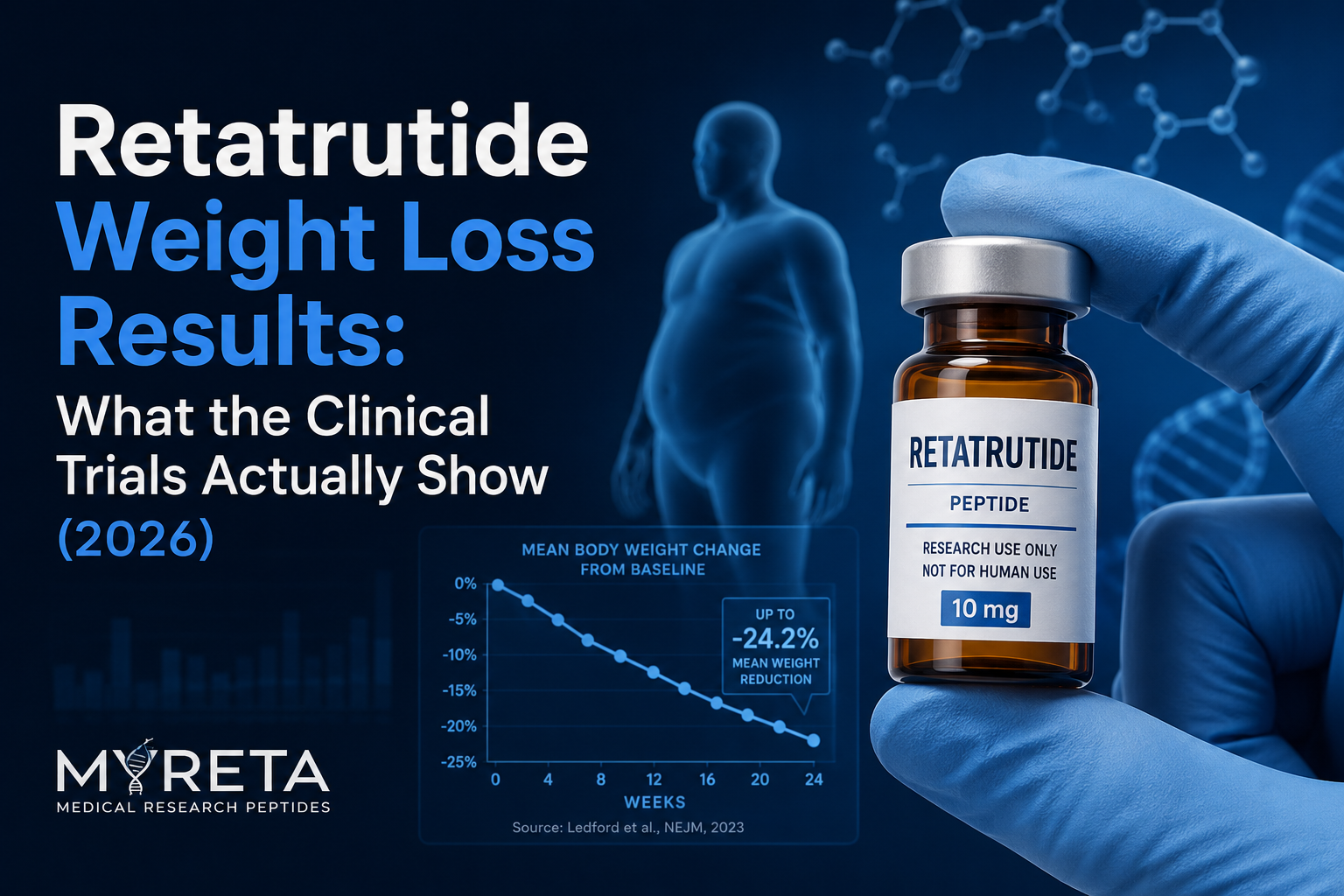
    Phase 2 results published in the New England Journal of Medicine and The Lancet provided the first robust evidence of retatrutide’s potential. In a 48-week trial of 338 adults with obesity, participants randomized to the 12 mg dose achieved a mean weight loss of 24.2%, which equated to approximately 26.2 kg for a person at a high starting weight.

    Dose (Weekly) Mean Weight Loss (48 Weeks) Participants Achieving ≥5% Loss Participants Achieving ≥15% Loss
    Placebo -2.1%
    1 mg -8.7%
    4 mg -17.1% 92% 60%
    8 mg -22.8% 100% 75%
    12 mg -24.2% 100% 83%

    Data derived from Phase 2 obesity trials. Importantly, the weight loss curves in these trials had not plateaued at the 48-week mark, suggesting that longer-term treatment could yield even more significant results. This observation laid the groundwork for the 68-week and 80-week TRIUMPH Phase 3 trials.

    TRIUMPH-4: Breakthrough in Osteoarthritis and Extreme Weight Loss

    In December 2025, the results of the TRIUMPH-4 trial (NCT05869903) were released, marking the first successful Phase 3 readout for retatrutide. This trial specifically evaluated retatrutide in adults with obesity or overweight and concomitant knee osteoarthritis. The 12 mg dose achieved an average weight loss of 28.7% over 68 weeks—the highest weight reduction ever reported for an anti-obesity medication in a Phase 3 setting. The impact on osteoarthritis was equally significant. Participants reported a 75.8% reduction in pain on the Western Ontario and McMaster Universities Osteoarthritis Index (WOMAC) scale. Approximately 12.0% of participants on the highest dose became completely pain-free, demonstrating how extreme weight loss can radically alter the clinical course of degenerative joint disease.

    TRIUMPH-1 and Core Obesity Management

    The TRIUMPH-1 trial (NCT05929066) is investigating retatrutide in the broader population of adults with obesity or overweight without diabetes. This trial, which includes several UK-based sites, measures not only weight change but also improvements in blood pressure, fasting insulin, and waist circumference. Preliminary data suggest that the 28% weight loss threshold is likely to be maintained across general obesity cohorts, reinforcing retatrutide’s position as a potent alternative to metabolic surgery.

    Comparative Analysis: Retatrutide vs. Existing Therapies

    For UK clinicians, the choice between semaglutide, tirzepatide, and the forthcoming retatrutide will be determined by a balance of efficacy, tolerability, and cost-effectiveness.

    Feature Semaglutide (Wegovy) Tirzepatide (Mounjaro) Retatrutide (Investigational)
    Receptor Targets GLP-1 GLP-1, GIP GLP-1, GIP, Glucagon
    Max Trial Weight Loss ~15% (68 weeks) ~22.5% (72 weeks) ~28.7% (68 weeks)
    HbA1c Reduction 1.0–1.5% 1.6–2.4% 1.3–2.0%
    Liver Fat Reduction Modest Moderate Up to 86%
    Common Side Effects GI (Nausea, Vomiting) GI (Nausea, Vomiting) GI + Dysesthesia
    UK Availability Available Available Est. 2027–2028

    While tirzepatide established superiority over semaglutide in the SURMOUNT-5 trial—achieving 20.2% weight loss vs 13.7%—indirect network meta-analyses suggest that retatrutide will likely surpass tirzepatide in both absolute and percentage weight reduction. One such meta-analysis reported an absolute weight reduction difference of approximately 4.5 kg in favor of retatrutide over tirzepatide.

    The Triple Agonist “Ceiling”

    The data suggest that retatrutide may be approaching a “clinical ceiling” for weight loss via pharmacological means. At nearly 30% reduction, many patients are brought into a “normal” BMI range, an outcome that was previously difficult to achieve without Roux-en-Y gastric bypass or sleeve gastrectomy. For the UK’s most complex patients—those with a BMI —this level of efficacy may finally provide a viable non-surgical path to health optimization.

    Metabolic Health and Liver Fat Resolution

    One of the most profound secondary benefits of retatrutide is its impact on Metabolic Dysfunction-Associated Steatotic Liver Disease (MASLD). In the UK, MASLD is a leading cause of cirrhosis and hepatocellular carcinoma, often requiring resource-intensive monitoring in secondary care. Retatrutide’s glucagon component makes it uniquely suited for treating fatty liver. Phase 2 data revealed that 93% of participants on the 12 mg dose achieved a normal liver fat content (less than 5%) after 48 weeks of treatment. The average reduction in liver fat reached 86%, a figure that far exceeds the “modest” to “moderate” reductions seen with semaglutide and tirzepatide.

    Dose Liver Fat Reduction (24 Weeks) Liver Fat Reduction (48 Weeks) Normalization Rate (<5%)
    Placebo +0.3% +4.6% 0%
    8 mg -81.4% -81.7% 89%
    12 mg -82.4% -86.0% 93%

    Source: Phase 2 MASLD/MASH substudy results. This normalization of hepatic fat is accompanied by significant improvements in liver enzymes, such as Alanine Transaminase (ALT) and Aspartate Transaminase (AST), as well as cardiometabolic markers like non-HDL cholesterol and triglycerides. For the UK healthcare system, this suggests a future where pharmacotherapy could reduce the downstream need for liver transplants and specialized hepatology services.

    Safety, Tolerability, and Unique Side Effects

    The potent metabolic intervention of retatrutide comes with a predictable but significant side effect profile. While generally safe and well-tolerated, the drug’s triple-action mechanism introduces specific challenges for titration and patient management.

    Gastrointestinal Effects

    Like all incretin mimetics, retatrutide’s most common adverse events are gastrointestinal (GI). In the Phase 3 TRIUMPH-4 trial, nausea was reported by 43%, diarrhea by 33%, and vomiting by 21% of participants. These symptoms are most prevalent during the dose-escalation phase and are generally mild to moderate. Clinical protocols in the UK will likely emphasize a “start low, go slow” approach, utilizing doses as low as 1 mg or 2 mg for initial titration to minimize GI distress.

    The Dysesthesia Signal

    A unique safety signal associated with retatrutide is dysesthesia—an abnormal or unpleasant skin sensation such as tingling, burning, or increased sensitivity. This affected 20.9% of participants on the 12 mg dose in Phase 3 trials, compared to less than 1% in the placebo group. While rarely severe enough to cause discontinuation, it is a hallmark of the triple agonist mechanism, likely linked to glucagon’s influence on sensory pathways or metabolic shifts in the peripheral nervous system.

    Cardiac and Renal Considerations

    Due to the glucagon component, some participants experienced a transient increase in heart rate during the first few months of treatment. This requires careful monitoring, particularly in patients with pre-existing arrhythmia or cardiovascular disease. Conversely, the drug has shown promise in improving renal markers and blood pressure, with systolic blood pressure reductions of up to 14 mmHg. The ongoing TRIUMPH-Outcomes trial (NCT06383390) will provide definitive data on whether these benefits translate into a reduction in major adverse cardiovascular events (MACE).

    Adverse Event 9 mg Frequency 12 mg Frequency Placebo Frequency
    Nausea 43%
    Diarrhea 33%
    Vomiting 21%
    Dysesthesia 8.8% 20.9% 0.7%
    Discontinuation (AEs) 12.2% 18.2% 4.0%

    Compilation of adverse event data from TRIUMPH-4 and Phase 2 trials.

    The UK Regulatory and Access Landscape

    For retatrutide to become a reality for UK patients, it must navigate a complex multi-stage approval and commissioning process. Given its current status in Phase 3 trials, we can project a realistic timeline for its introduction into the UK healthcare market.

    Phase 3 Progress and Trial Sites in the UK

    The UK is playing a central role in the TRIUMPH programme, with several academic centers and primary care research sites actively participating in the trials.

    Academic and Specialist Centers: Heartlands Hospital (Birmingham), Aintree University Hospital (Liverpool), Leicester General Hospital, and Glasgow Royal Infirmary.

    Primary Care Research Sites: Layton Medical Centre (Blackpool), Rowden Surgery (Chippenham), and St Clare Medical Centre (Penzance).

    Private Research Partners: Panthera Biopartners (Enfield and Sheffield) and FutureMeds (Birmingham and Liverpool).

    The TRIUMPH-1 trial, which focuses on core obesity management, is expected to read out in mid-2026. This will provide the definitive evidence required for regulatory submission.

    MHRA Licensing and the ILAP Route

    Eli Lilly is expected to submit retatrutide to the MHRA for marketing authorization in late 2026 or early 2027. The drug may be eligible for the Innovative Licensing and Access Pathway (ILAP), which aims to accelerate the time to market for “innovative” medicines that address significant public health needs. Under standard review times, MHRA approval would be anticipated in late 2027 or mid-2028. Once licensed, retatrutide will likely become available first through private prescriptions. However, the real impact on UK public health will depend on its adoption by the NHS.

    NICE Technology Appraisal and NHS Rollout

    The National Institute for Health and Care Excellence (NICE) will conduct a technology appraisal to assess the cost-effectiveness of retatrutide. If the precedent of tirzepatide (TA1026) is followed, NICE will likely recommend retatrutide for patients with a BMI and at least one weight-related comorbidity. NICE’s interim commissioning guidance for tirzepatide suggests a phased 12-year rollout to manage the logistical and financial strain on the NHS. Retatrutide will likely be integrated into this framework, with initial access prioritized for:

    Cohort I (2025-2028): Patients with a BMI and four or more “qualifying” comorbidities (hypertension, dyslipidemia, OSA, CVD, or T2DM).

    Cohort II: Patients with a BMI of 35-39.9 and multiple comorbidities.

    Milestone Expected Date Status
    Phase 3 TRIUMPH Programme Completion Late 2026 In Progress
    MHRA Marketing Authorisation (UK) Late 2027 – Mid 2028 Pending
    Private Prescription Availability Late 2027 – 2028 Pending
    NICE Technology Appraisal Completion 2028 – 2029 Pending
    NHS Prescription Availability 2029 (Earliest) Pending

    Clinical Perspectives: Maintenance and Long-Term Success

    Prominent UK obesity specialists, such as Professor Rachel Batterham (UCL) and Professor Susan Jebb (Oxford), have emphasized that while these drugs are “game-changers,” they are not “quick fixes”. The chronic nature of obesity means that medication cessation often leads to rapid weight regain.

    The Challenge of Weight Regain

    A systematic review led by the University of Oxford found that weight regain after stopping GLP-1 and dual-agonist drugs was faster than after ending behavioral weight-loss programmes, occurring at a rate of approximately 0.3 kg per month. This suggests that retatrutide, despite its potency, will likely require a long-term maintenance strategy—potentially involve lower “maintenance” doses once weight loss targets are achieved.

    The Role of Wraparound Care

    UK clinical guidelines, including those from the British Obesity and Metabolic Surgery Society (BOMSS), stress the importance of “wraparound” care. This includes:

    Nutritional Counseling: Developing the dietary skills necessary to maintain weight loss without constant pharmacological suppression.

    Psychosocial Support: Addressing the “weight-related stigma” and social isolation that often accompany obesity and can undermine treatment success.

    Physical Activity: Preserving lean muscle mass, which is critical for long-term metabolic health.

    Socio-Economic Implications for the UK

    The potential for retatrutide to reduce the prevalence of obesity-related conditions—such as the 42 identified conditions including cancer, cardiovascular disease, and stroke—could lead to significant savings for the UK economy.

    Cost-Benefit Analysis

    While the initial cost of retatrutide will be high, the “cost of inaction” is arguably higher. Obesity is expected to cost the UK economy billion per year when factoring in lost productivity, benefits, and wider societal impacts. Digital delivery models and remote monitoring of patients on retatrutide could potentially reduce healthcare costs by 10% to 70% compared to traditional in-person specialist weight management services.

    Addressing Health Inequalities

    The Scottish CardioMetabolic Impact Study (SCoMIS) provides a blueprint for how the UK might use these drugs to tackle health inequalities. By providing Wegovy—and eventually retatrutide—to thousands of people in the poorest areas of Scotland, researchers aim to determine if targeted pharmacological intervention can reduce the health gap driven by obesity-related deprivation.

    Future Directions: Beyond Injectable Triple Agonists

    While retatrutide is the most advanced triple agonist in the pipeline, the field is moving rapidly. Eli Lilly is also developing orforglipron, an oral, non-peptide GLP-1 receptor agonist that aims to provide similar weight loss efficacy without the need for injections. Furthermore, researchers are exploring combinations of triple agonists with other molecules, such as amylin analogs or myostatin-activin pathway inhibitors, to further refine body composition outcomes and ensure that weight loss is primarily derived from fat mass rather than lean tissue.

    Conclusion: A New Era of Metabolic Precision

    Retatrutide represents a defining moment in the “golden age” of obesity treatment. By harnessing the power of three separate metabolic hormones, it offers a level of efficacy that approaches the physiological impact of surgical intervention, providing a non-invasive option for the millions of UK citizens struggling with complex obesity. However, its successful integration into the UK’s healthcare system will require more than just regulatory approval. It will demand a structural transformation in how the NHS delivers weight management services—moving from short-term interventions to a chronic disease management model supported by robust primary care and specialist multidisciplinary teams. As the TRIUMPH programme nears completion, retatrutide stands as the likely next benchmark for metabolic care, promising to redefine health outcomes for a generation of patients.

  • Retatrutide (LY3437943) Research Compound Profile: Molecular Architecture,

    Retatrutide (LY3437943) Research Compound Profile: Molecular Architecture,

    Molecular Architecture of Retatrutide (LY3437943): An Exhaustive Structural Profile

    Learn More About Reta

    Metabolic health is evolving rapidly. As of early 2026, Eli Lilly’s investigational compound, retatrutide (LY3437943), has emerged as a leading candidate for treating obesity, type 2 diabetes (T2D), and metabolic dysfunction-associated steatohepatitis (MASH). By targeting three distinct hormone receptors simultaneously, this peptide produces weight loss and metabolic outcomes that surpass current dual-agonist therapies.

    Molecular Architecture of Retatrutide (LY3437943): An Exhaustive Structural Profile

    Introduction to Unimolecular Polypharmacology and Molecular Identification

    The conceptualization and subsequent engineering of unimolecular polypharmacology represent one of the most complex frontiers in modern rational drug design. In this paradigm, a single synthetic molecular entity is constructed to simultaneously engage and activate multiple distinct biological receptors with high affinity. Retatrutide, extensively identified within developmental pipelines as LY34377943, stands as the paramount realization of this architectural methodology.

    It is an extensively engineered, synthetically derived 39-amino-acid peptide specifically designed to function as a highly balanced triple agonist targeting the glucose-dependent insulinotropic polypeptide receptor (GIPR), the glucagon-like peptide-1 receptor (GLP-1R), and the glucagon receptor (GCGR).

    The fundamental biophysical constraint inherent in the design of any multi-receptor agonist lies in the structural divergence of the intended biological targets. The GLP-1R, GIPR, and GCGR all belong to the Class B1 family of G protein-coupled receptors (GPCRs). While they share a broad overarching topology—characterized by a large, highly structured extracellular domain (ECD) connected to a seven-transmembrane (7TM) helical bundle—their specific orthosteric binding clefts and the flexible extracellular loops that govern ligand entry are distinctly evolved to recognize only their cognate native hormones.

    Endogenous hormones such as GLP-1, GIP, and glucagon possess highly specific topological geometries that are tailored exclusively to their respective receptors. Retatrutide overcomes this evolutionary specificity by utilizing a heavily modified chimeric backbone, interlaced with non-standard, sterically hindered amino acids and a precisely positioned lipidation architecture.

    The exhaustive physical and chemical identification profile of the retatrutide molecule reflects its intense synthetic complexity. The fully assembled peptide possesses a molecular weight of 4731.33 Daltons and a molecular formula of C221H342N46O68. Its formal systematic nomenclature elucidates the exact sequence and the locations of its complex modifications: L-Tyrosyl-2-methylalanyl-L-glutaminylglycyl-L-threonyl-L-phenylalanyl-L-threonyl-L-seryl-L-α-aspartyl-L-tyrosyl-L-seryl-L-isoleucyl-2-methyl-L-leucyl-L-leucyl-L-α-aspartyl-L-lysyl-N6-[N-(19-carboxy-1-oxononadecyl)-L-γ-glutamyl-2-[2-(2-aminoethoxy)ethoxy]acetyl]-L-lysyl-L-alanyl-L-glutaminyl-2-methylalanyl-L-alanyl-L-phenylalanyl-L-isoleucyl-L-α-glutamyl-L-tyrosyl-L-leucyl-L-leucyl-L-α-glutamylglycylglycyl-L-prolyl-L-seryl-L-serylglycyl-L-alanyl-L-prolyl-L-prolyl-L-prolyl-L-serinamide.

    Cataloged under the specific CAS Registry Number 2381089-83-2, retatrutide does not exist in nature; it is a profound masterpiece of rational protein engineering that completely redesigns the incretin molecular framework.

    The complete molecular architecture of retatrutide can be conceptually subdivided into four highly specialized critical domains: the GIP-derived primary sequence backbone, the strategic insertion of non-proteogenic amino acids to dictate secondary structure, the complex pharmacokinetic lipidation machinery positioned at residue 17, and the C-terminal stabilizing extension. The flawless integration of these distinct components allows the molecule to maintain high-affinity binding orientations across three separate receptor topographies without introducing deleterious steric clashes or compromising its pharmacokinetic durability. The following sections provide an exhaustive analysis of these individual structural elements and the biophysical mechanics governing their interactions.

    Primary Sequence Architecture and Chimeric Derivation

    The structural foundation of retatrutide’s molecular architecture is an extensively modified, 39-amino-acid continuous peptide chain. During the initial phases of structure-based drug design for peptide therapeutics, the determination of the primary backbone sequence is paramount. The primary sequence dictates the molecule’s overall helical propensity, its isoelectric point, its aqueous solubility, and, most importantly, the exact spatial presentation of the amino acid side chains to the receptor interface.

    The foundational sequence of retatrutide is fundamentally derived from the molecular structure of the native glucose-dependent insulinotropic polypeptide (GIP). The strategic decision to utilize a GIP-centric backbone ensures that the foundational architecture possesses an overwhelmingly high intrinsic affinity for the GIP receptor. In vitro pharmacological and binding affinity profiling indicates that retatrutide is up to nine times more potent at the human GIP receptor than the endogenous GIP ligand itself, whereas its activity at the GLP-1 and glucagon receptors is highly balanced but slightly less potent than their respective native ligands. This specific baseline bias toward GIPR was intentionally engineered into the structural backbone to maximize metabolic parameters while building upon a highly stable sequence framework.

    The exact linear amino acid sequence from the N-terminus to the C-terminus, reflecting the sodium salt formulation of the peptide, is established as follows: Tyr-{Aib}-Gln-Gly-Thr-Phe-Thr-Ser-Asp-Tyr-Ser-Ile-{α-Me-Leu}-Leu-Asp-Lys-{diacid-C20-γ-Glu-(AEEA)-Lys}-Ala-Gln-{Aib}-Ala-Phe-Ile-Glu-Tyr-Leu-Leu-Glu-Gly-Gly-Pro-Ser-Ser-Gly-Ala-Pro-Pro-Pro-Ser-NH2.

    To achieve simultaneous triple agonism at three different receptors, the foundational GIP backbone had to be systematically mutated to incorporate critical structural recognition motifs that are homologous to both GLP-1 and glucagon. Class B1 GPCR ligands, including the endogenous incretin hormones, generally bind to their target receptors via a complex two-domain mechanism. In this mechanism, the C-terminal segment of the peptide forms an amphipathic alpha-helix that interacts with the large, globular extracellular domain (ECD) of the receptor. Concurrently, the N-terminal segment inserts deep into the transmembrane (TM) bundle, initiating the precise conformational shifts required to trigger receptor activation and subsequent intracellular G-protein signaling.

    Because the orthosteric binding pockets within the 7TM bundles of the GLP-1R, GIPR, and GCGR share a degree of evolutionary conservation, the extreme N-terminus of retatrutide is highly conserved. Conversely, because the extracellular domains and the extracellular loops of these receptors are highly divergent, the middle and C-terminal segments of the peptide require extensive chimeric engineering to navigate the distinct topographical constraints of each individual receptor.

    Sequence Alignment and Homology Mapping

    A rigorous comparative analysis of the primary sequences demonstrates exactly how the molecular architecture of retatrutide borrows and optimizes structural elements from multiple native incretin hormones. The following alignment maps the first 30 residues of retatrutide against the corresponding sequences of human GIP, GLP-1 (active form 7-36), and human glucagon, highlighting the specific substitutions necessary for triple receptor engagement.

    Position Retatrutide (LY3437943) Native human GIP Native human GLP-1 (7-36) Native human Glucagon
    1Tyr (Y)Tyr (Y)His (H)His (H)
    2AibAla (A)Ala (A)Ser (S)
    3Gln (Q)Glu (E)Glu (E)Gln (Q)
    4Gly (G)Gly (G)Gly (G)Gly (G)
    5Thr (T)Thr (T)Thr (T)Thr (T)
    6Phe (F)Phe (F)Phe (F)Phe (F)
    7Thr (T)Ile (I)Thr (T)Thr (T)
    8Ser (S)Ser (S)Ser (S)Ser (S)
    9Asp (D)Asp (D)Asp (D)Asp (D)
    10Tyr (Y)Tyr (Y)Val (V)Tyr (Y)
    11Ser (S)Ser (S)Ser (S)Ser (S)
    12Ile (I)Ile (I)Ser (S)Lys (K)
    13α-Me-LeuAla (A)Tyr (Y)Tyr (Y)
    14Leu (L)Met (M)Leu (L)Leu (L)
    15Asp (D)Asp (D)Glu (E)Asp (D)
    16Lys (K)Lys (K)Gly (G)Ser (S)
    17Lys-LipidIle (I)Gln (Q)Arg (R)
    18Ala (A)His (H)Ala (A)Arg (R)
    19Gln (Q)Gln (Q)Ala (A)Ala (A)
    20AibGln (Q)Lys (K)Gln (Q)
    21Ala (A)Asp (D)Glu (E)Asp (D)
    22Phe (F)Phe (F)Phe (F)Phe (F)
    23Ile (I)Val (V)Ile (I)Val (V)
    24Glu (E)Asn (N)Ala (A)Gln (Q)
    25Tyr (Y)Trp (W)Trp (W)Trp (W)
    26Leu (L)Leu (L)Leu (L)Leu (L)
    27Leu (L)Leu (L)Val (V)Met (M)
    28Glu (E)Ala (A)Lys (K)Asn (N)
    29Gly (G)Gln (Q)Gly (G)Thr (T)
    30Gly (G)Lys (K)Arg (R)

    As explicitly detailed in the comparative alignment, the extreme N-terminal region (residues 1 through 6) remains largely conserved across the endogenous hormones and retatrutide, with the notable exception of the Aib substitution at position 2. This high degree of conservation is an absolute biophysical necessity because this specific domain inserts into the deepest, most highly conserved orthosteric binding pockets of the transmembrane bundles of the GLP-1, GIP, and Glucagon receptors.

    Structural deviations, therefore, primarily occur in the middle region of the peptide (residues 10 to 21). This middle region is precisely tasked with navigating the highly divergent extracellular loop 1 (ECL1) topologies of the three target receptors. By substituting specific key residues in this middle domain, the molecular architecture of retatrutide selectively modulates the binding thermodynamics to achieve simultaneous receptor engagement without steric rejection.

    Thermodynamic Pre-Organization and Steric Shielding: The Role of Non-Coded Amino Acids

    A defining and revolutionary characteristic of retatrutide’s molecular architecture is the deliberate incorporation of non-coded, non-proteogenic amino acids. Endogenous incretin peptides like GLP-1 and GIP have exceptionally short circulating half-lives in vivo, often calculated at approximately 2 to 5 minutes. This rapid clearance is largely driven by rapid proteolytic cleavage mediated by endogenous enzymes, most notably Dipeptidyl Peptidase-4 (DPP-4).

    To aggressively circumvent enzymatic degradation and to thermodynamically force the peptide backbone into highly specific three-dimensional alpha-helical conformations, retatrutide utilizes three distinct non-natural amino acid substitutions at specific loci: positions 2, 13, and 20.

    Position 2: α-Aminoisobutyric Acid (Aib2)

    The second residue from the N-terminus of retatrutide is α-aminoisobutyric acid (Aib), an engineered residue also frequently referred to as 2-methylalanine. In the native GLP-1 and native GIP sequences, this exact position is occupied by the standard amino acid L-alanine. The endogenous enzyme DPP-4 specifically recognizes and enzymatically cleaves peptides that feature an alanine or a proline at the penultimate N-terminal position, rapidly rendering the hormones inactive.

    By substituting the endogenous L-alanine with Aib, the molecular architecture introduces a second methyl group directly at the alpha-carbon of the residue. This α,α-dialkyl substitution creates a massive degree of local steric hindrance around the peptide bond connecting residues 2 and 3. The added bulk of the dual methyl groups physically prevents the catalytic active site of the DPP-4 enzyme from accessing, binding, and hydrolyzing the adjacent peptide bond. Consequently, the inclusion of Aib2 confers profound structural resistance against N-terminal enzymatic degradation, preserving the biological integrity of the sequence necessary for deep receptor activation.

    Beyond purely enzymatic protection, the presence of Aib imposes severe biophysical restrictions on the backbone dihedral angles (specifically the phi and psi angles) of the peptide chain. These conformational constraints strongly promote the formation and rigid stabilization of α-helical secondary structures. Notably, exhaustive molecular docking and binding pocket analyses demonstrate that the side chain of the Aib2 residue does not form any direct hydrogen bonds, salt bridges, or key hydrophobic contacts with the GPCR proteins themselves. Instead, the role of Aib2 is almost entirely structural and thermodynamic—it actively locks the N-terminus into an active, tightly coiled helical conformation that significantly lowers the entropic cost of receptor binding. By paying the entropic penalty of helix formation prior to receptor engagement, the overall binding affinity is dramatically increased.

    Position 13: α-Methyl-L-Leucine (α-Me-Leu13)

    At position 13, retatrutide incorporates a second highly specialized non-coded residue: α-methyl-L-leucine (designated as αMeL or 2-methylleucine). This specific modification is a critical architectural feature directly responsible for tuning the molecule’s complex multi-receptor profile. Rational drug design studies have continuously shown that specific hydrophobic contacts in the middle segment of the peptide are absolutely required for the effective activation of the glucagon receptor (GCGR).

    Native GIP possesses a small L-alanine residue at position 13, while GLP-1 and glucagon possess a bulky L-tyrosine. The substitution with α-Me-Leu provides a bulky, branched aliphatic side chain paired seamlessly with the conformational rigidity of an α-methyl group at the backbone. Cryo-electron microscopy (cryo-EM) mapping reveals that the inclusion of αMeL13 is physically indispensable for achieving optimal GCGR and GIPR activity.

    Within the GIPR binding pocket, the side chain of αMeL13, along with the adjacent Leu14, engages in extensive hydrophobic packing interactions with the receptor’s extracellular domain. Specifically, αMeL13 interacts tightly with Arg131 of the GIPR to anchor the middle segment of the peptide. The constrained geometry imposed by the α-methyl group ensures that the isobutyl side chain of the leucine moiety is continuously projected into the correct spatial vector, allowing it to interact with the hydrophobic traps of both the GCGR and the GIPR without requiring significant conformational rearrangement or energy expenditure upon binding.

    Position 20: α-Aminoisobutyric Acid (Aib20)

    The third non-standard amino acid substitution occurs at position 20, where a second α-aminoisobutyric acid (Aib) residue is deliberately incorporated into the sequence. The introduction of Aib20 serves a multipronged architectural purpose. First, highly similar to the function of Aib2, Aib20 restricts the local backbone flexibility and acts as a powerful “helix inducer”. The middle segment of native incretin peptides has a strong thermodynamic tendency to unfold or adopt disordered random coil conformations when circulating in an aqueous solution.

    By placing a rigid Aib residue precisely at position 20, the peptide is pre-organized into an alpha-helix, further reducing the entropic penalty incurred when the peptide must transition from a fully solvated state in the bloodstream to the highly ordered receptor-bound state. Furthermore, the specific presence of Aib20 contributes to optimal GIP receptor activity and fundamentally enhances the overall developability and pharmacokinetic profile of the entire macromolecule.

    Just as observed with Aib2, the structural mapping definitively indicates that the side chain of Aib20 does not directly participate in the formation of the binding interface with the target receptors; it lacks any chemical capacity to form hydrogen bonds or salt bridges. Its primary mechanical function is to rigidify the spacer region immediately adjacent to the massive lipidation site located at position 17. By stiffening the backbone here, it ensures that the peptide does not distort, warp, or kink when the massive fatty diacid moiety engages with human serum albumin.

    The Acylation Machinery and Pharmacokinetic Architecture

    The most visually prominent and chemically complex modification in retatrutide’s molecular architecture is its sophisticated acylation machinery. To transition the peptide from the status of an endogenous hormone with a half-life measured in minutes to a highly viable, once-weekly therapeutic with an elimination half-life of approximately six days, retatrutide utilizes a massive fatty acid conjugation strategy.

    This lipidation is specifically and exclusively anchored to the epsilon-amino group of the lysine residue located at position 17 (Lys17). The exact chemical identity of this massive modification is formally described as N6-[N-(19-carboxy-1-oxononadecyl)-L-γ-glutamyl-2-[2-(2-aminoethoxy)ethoxy]acetyl]-L-lysyl. This intricate side chain is meticulously constructed from three distinct structural modules: the hydrophilic spacer (AEEA), the acidic linker (gamma-glutamate), and the terminal hydrophobic tail (C20 eicosanedioic acid).

    The Point of Conjugation: The Selection of Lysine 17

    The deliberate selection of position 17 for lipid attachment is a critical architectural decision resulting from exhaustive structure-activity relationship (SAR) profiling. In the field of unimolecular polypharmacology, the placement of a massive lipid moiety runs the severe biophysical risk of inducing destructive steric clashes within the binding pockets of the target receptors, which would completely nullify receptor activation. For structural comparison, the dual GIP/GLP-1 agonist tirzepatide is lipidated at position 20, while the GLP-1 mono-agonist semaglutide is lipidated at position 26.

    High-resolution cryo-EM structures of retatrutide physically bound to its three receptors demonstrate exactly why Lys17 was chosen as the optimal anchor point. In the receptor-bound state, the side chain of Lys17 points directly outward into the solvent, away from the hydrophobic core of the transmembrane domain and away from the intricate extracellular loops of the GLP-1, GIP, and glucagon receptors. By orienting the attachment point strictly toward the solvent-exposed exterior, the molecular architecture allows the bulky lipid tail to trail freely into the extracellular space without physically disrupting the peptide’s highly conserved interactions with the receptor orthosteric sites.

    The AEEA and Gamma-Glutamate Linkers

    Directly attached to the epsilon-amino group of Lys17 is an AEEA spacer, chemically defined as 2-[2-(2-aminoethoxy)ethoxy]acetic acid. AEEA serves as a hydrophilic, mini-polyethylene glycol (PEG)-like chemical extension. The specific presence of ether oxygens within the AEEA molecule grants the side chain a high degree of rotational freedom and structural flexibility. This flexibility is absolutely essential because it acts as a molecular tether, allowing the terminal fatty acid to autonomously search for and bind to circulating serum albumin independently of the peptide backbone’s rigid alpha-helical structure.

    Without the AEEA spacer providing distance and articulation, the rigid proximity of the lipid to the peptide could easily distort the secondary structure, nullifying receptor engagement entirely. Immediately following the AEEA spacer is a gamma-glutamate (γ-Glu) linker. Unlike standard peptide bonds which form tightly at the alpha-carbon of an amino acid, this specific linkage occurs through the gamma-carboxyl group of the glutamic acid residue, extending the distance further. The inclusion of the γ-Glu linker provides an additional negative charge at physiological pH, which fundamentally enhances the overall aqueous solubility of the highly hydrophobic lipidated complex. Furthermore, the specific stereochemistry of the gamma-linkage aligns the final fatty acid moiety in an optimal physical vector to enter the deep, hydrophobic binding clefts of human serum albumin upon entering the bloodstream.

    The C20 Fatty Diacid: Eicosanedioic Acid

    The terminal, active component of the lipidation architecture is a massive 20-carbon fatty diacid chain, specifically identified as 19-carboxy-1-oxononadecyl or eicosanedioic acid. Unlike standard fatty acids (such as the 16-carbon palmitic acid utilized in the structure of liraglutide) which terminate in a highly hydrophobic methyl group, a diacid possesses a reactive carboxylic acid at both extreme ends of the carbon chain. In the structure of retatrutide, one carboxyl group is utilized to form the stable amide bond with the γ-Glu linker, while the other remains completely free at the distal end of the lipid chain.

    The C20 diacid is the primary biophysical engine driving retatrutide’s extreme pharmacokinetic durability. Once the molecule is injected into the subcutaneous tissue and successfully absorbed into the bloodstream, the highly hydrophobic 20-carbon chain intercalates tightly into the high-affinity fatty-acid-binding pockets of circulating human serum albumin. The free distal carboxylic acid serves to stabilize this interaction through strong electrostatic bonding with basic amino acid residues lining the surface of the albumin molecule.

    By reversibly binding to albumin with such high affinity, retatrutide effectively increases its hydrodynamic radius to match that of the massive carrier protein (which is approximately 66 kDa). This massive increase in apparent size allows the drug to completely evade rapid renal filtration. Additionally, physical albumin binding creates a steric shield around the peptide, protecting it from circulating enzymatic degradation, extending its half-life to roughly six days, and successfully permitting once-weekly administration.

    C-Terminal Architecture and Thermodynamic Stability

    While the N-terminus and middle segments of retatrutide are entirely dedicated to receptor activation and lipid spacing, the C-terminal architecture is heavily engineered to ensure massive structural stability and prolonged half-life in a biological environment. The highly specific sequence spanning from position 30 to position 39 is GPSSGAPPPS.

    The Exendin-Tail Polyproline Motif

    This specific ten-amino-acid sequence is commonly referred to in medicinal chemistry as the “exendin-tail”. It is entirely distinct from the human sequences of GIP, GLP-1, or glucagon. Instead, it is derived directly from the structure of exendin-4, a naturally occurring, highly stable peptide found in the salivary secretions of the Gila monster (Heloderma suspectum).

    The explicit incorporation of the exendin-tail into the molecular architecture of retatrutide serves to dramatically stabilize the secondary structure of the entire peptide complex. The uniquely high concentration of proline residues within this segment (specifically, four prolines grouped within a nine-residue span at positions 31, 36, 37, and 38) forces the peptide to induce the formation of a rigid, polyproline-type helix, frequently known as a “Trp-cage” motif or a highly stable structured random coil. Proline’s unique cyclic side-chain physically bonds directly back to the peptide backbone nitrogen, an action that severely restricts the phi dihedral angle of the backbone.

    This extreme C-terminal rigidity acts as a structural cap on the molecule, actively preventing the upstream alpha-helical segments from unraveling or fraying when subjected to highly aqueous physiological environments. By maintaining the stringent helical integrity of the molecule from the C-terminus upward, the exendin-tail indirectly enhances the binding affinity of the critical upstream residues toward the extracellular domains of the GLP-1, GIP, and glucagon receptors.

    C-Terminal Amidation and Electrostatic Tuning

    The absolute terminus of the retatrutide molecule features a final, critical chemical modification: complete amidation. At position 39, the sequence concludes with an L-serinamide instead of a standard L-serine residue. In conventional peptides, the C-terminus naturally ends in a free carboxylic acid (-COOH) which readily deprotonates at standard physiological pH to yield a negatively charged carboxylate ion (-COO−).

    In the engineered structure of retatrutide, this carboxylic acid group is entirely replaced by a neutral carboxamide (-CONH2). This architectural adjustment has two primary, highly beneficial structural consequences. First, the total removal of the negative charge mimics the native state of many endogenous neuropeptides and incretins, optimizing the electrostatic compatibility of the peptide’s C-terminus with the highly specific charge distributions found on the extracellular domains of the target receptors.

    Second, and more importantly for pharmacokinetics, C-terminal amidation provides a robust, nearly impenetrable defense against circulating carboxypeptidases—endogenous enzymes that would otherwise rapidly degrade the peptide by aggressively cleaving residues from the unprotected C-terminal end.

    Cryo-Electron Microscopy Mapping: Receptor-Specific Binding Topologies

    The fundamental success of retatrutide’s molecular architecture is proven unconditionally by its capacity to achieve high-affinity engagement with three completely distinct receptors using a single, rigid primary sequence. High-resolution cryo-electron microscopy (cryo-EM) has successfully elucidated the exact spatial orientation and the precise residue-by-residue thermodynamic interactions that permit this unimolecular polypharmacology.

    The class B1 GPCRs targeted by retatrutide (GLP-1R, GIPR, and GCGR) all possess a massive extracellular domain (ECD), a seven-transmembrane (7TM) helical bundle, and varying extracellular loops (ECL1, ECL2, and ECL3). Cryo-EM models demonstrate that the overarching binding mechanism of retatrutide relies on an exquisitely delicate biophysical balance between conserved structural interactions that apply universally to all three receptors, and highly specific local structural accommodations that exploit minute differences in receptor topography.

    The Extracellular Loop 1 (ECL1) Dichotomy

    A major structural revelation derived directly from cryo-EM mapping is the distinct conformational behavior of Extracellular Loop 1 (ECL1) across the three respective receptors. The middle segment of the retatrutide peptide (residues 10-21) is explicitly tasked with engaging this highly variable region. The physical structure of ECL1 in both the GLP-1R and GCGR is intensely rigid. For any agonist to successfully bind these receptors, it must possess complementary amino acids located at extremely precise spatial coordinates to perfectly align with the unyielding architecture of the loop.

    Conversely, the ECL1 of the GIPR displays pronounced structural flexibility. It can dynamically rearrange its topography to accommodate a much wider variety of peptide conformations. Retatrutide’s architecture brilliantly exploits this dichotomy. The non-standard residues (αMeL13, Aib20) and the strategic sequence homology in the middle domain are rigidly designed to perfectly satisfy the strict, static topological demands of GLP-1R and GCGR. Meanwhile, the flexible ECL1 of GIPR simply molds itself around the rigid retatrutide peptide, securing it firmly via adaptive hydrophobic packing. This biophysical mechanism highlights exactly how a single rigid molecular architecture can conquer three different receptors: by capitalizing on the thermodynamic plasticity of one target while meeting the static lock-and-key geometric requirements of the others.

    Interactions within the GLP-1 Receptor (GLP-1R) Interface

    When retatrutide physically engages the GLP-1 receptor, the entire macromolecular complex is stabilized by a deep network of critical salt bridges. A salt bridge is a profoundly strong non-covalent interaction combining hydrogen bonding and electrostatic attraction between oppositely charged amino acid side chains. Cryo-EM mapping explicitly identifies three primary salt bridges orchestrating retatrutide’s high affinity for GLP-1R:

    • Aspartate 9 (D9) with Arg7.35b: The negatively charged carboxylate group of Asp9 on retatrutide forms a deep salt bridge with the positively charged guanidinium group of Arg7.35b located deep within the receptor’s transmembrane core. This anchors the extreme N-terminus.
    • Aspartate 15 (D15) with Arg299: A second strong salt bridge forms directly between Asp15 of the peptide and Arg299 located on Extracellular Loop 2 (ECL2) of the GLP-1 receptor, locking the middle of the peptide helix firmly to the receptor’s external surface.
    • Lysine 17 (K17) with Glu1.33b: Before branching out into the complex lipidation spacer, the primary amine of the Lys17 residue on the peptide engages in a highly specific salt bridge with the negatively charged glutamic acid located at position 1.33b of the GLP-1 receptor. This specific electrostatic interaction heavily assists in orienting the massive fatty diacid chain away from the binding pocket, guaranteeing that it successfully exits into the extracellular milieu.

    Interactions within the GIP Receptor (GIPR) Interface

    The binding architecture of retatrutide must radically adapt to successfully engage the GIP receptor. Notably, the critical K17 salt bridge observed in the GLP-1R complex is entirely absent in the GIPR complex. This physical absence is primarily due to the presence of a positively charged arginine residue (Arg131) positioned at the 1.33b location of GIPR, which creates massive electrostatic repulsion that would otherwise prevent binding if the peptide were poorly engineered. Instead of relying on the K17 salt bridge, retatrutide utilizes a distinct set of polar and hydrophobic contacts to conquer the GIPR binding pocket:

    • Hydrogen Bonding Network: In the GIPR binding pocket, Gln138 (1.40b), Glu135 (1.37b), and Glu288 (45.52b) form a powerful triad of hydrogen bonds with the hydroxyl group of Tyr10 and the side chain of Thr7 located on retatrutide. Exhaustive mutagenesis studies confirming the E288T mutation in GIPR reduced retatrutide-induced accumulation by three-fold, verifying the absolute necessity of this structural interaction for activation.
    • Hydrophobic Stacking: The non-standard residue α-Me-Leu13, alongside Leu14 and Phe22 of retatrutide, engage in massive hydrophobic and pi-stacking interactions. Specifically, the aromatic ring of Phe22 forms pi-stacking interactions with Tyr36 on the GIPR ECD, while the bulky α-methyl group of αMeL13 perfectly fills a hydrophobic crevice located near Arg131, anchoring the molecule firmly in the pocket despite the lack of a salt bridge.

    Interactions within the Glucagon Receptor (GCGR) Interface

    Engagement with the glucagon receptor relies on an entirely unique matrix of highly specific hydrogen bonds and pi-stacking forces, ensuring that retatrutide compensates for the extreme differences in the GCGR topography.

    • Pi-Stacking Interactions: To achieve robust GCGR activation, retatrutide establishes critical GCGR-specific stacking interactions. The aromatic ring of Phe22 on the peptide engages in direct pi-pi stacking with Phe33 of the GCGR extracellular domain (ECD). Concurrently, the aromatic ring of Phe6 on retatrutide stacks tightly against Tyr138 (1.36b) of the transmembrane receptor. The critical nature of this exact architecture is highlighted by specific mutagenesis: mutating Tyr138 to alanine (Y138A) totally disrupts this hydrophobic stacking and drastically decreases the potency of retatrutide, verifying that the physical, spatial proximity of these two aromatic rings is a cornerstone of GCGR engagement.
    • Hydrogen Bonding Architecture: Retatrutide also weaves a tight web of hydrogen bonds to lock into the GCGR. The hydroxyl group of Tyr10 binds directly to Gln142 (1.40b), the carboxylate of Asp15 perfectly coordinates with Gln293 on Extracellular Loop 2 (ECL2), and the carboxylate of Asp9 forms a stable hydrogen bond with Gln374 on Extracellular Loop 3 (ECL3).

    Chemical Synthesis, Developability, and Native Chemical Ligation

    From a purely chemical synthesis perspective, the immense size and structural complexity of the retatrutide molecule present extreme developability challenges. Standard linear Solid Phase Peptide Synthesis (SPPS) utilizing traditional Fmoc/t-Bu strategies is highly inefficient for a molecule of this extreme length and complexity. The bulky nature of the non-standard dialkyl amino acids massively reduces coupling efficiency at every step, leading to truncated sequences, high rates of epimerization, and unacceptably low overall purity.

    Consequently, the commercial and research synthesis of retatrutide requires sophisticated convergent hybrid strategies, most notably Native Chemical Ligation (NCL). In this highly advanced architectural assembly method, the 39-amino acid chain is synthesized in two distinct, unprotected peptide fragments that are then chemically coupled together in purely aqueous media. This completely bypasses the solubility limits of organic solvents typically required in SPPS for long chains. A retatrutide cysteine analogue is initially formed during the ligation, which is subsequently subjected to highly specific desulfurization using water-soluble radical initiators to chemoselectively yield the final retatrutide sequence.

    Furthermore, the precise stereochemistry of the AEEA and γ-Glu linkers requires specialized orthogonal protection schemes during synthesis. This is often achieved through the use of Mtt (4-methyltrityl) protecting groups on Lys17 to ensure that the massive C20 eicosanedioic acid chain is attached exclusively to position 17, completely preventing it from cross-reacting with the primary amines of the N-terminus or any other reactive side chains.

    The successful assembly of this incredibly complex topography—flawlessly integrating an exact chimeric primary sequence, strategic spatial constraints via non-coded amino acids, a flexible macromolecular lipid spacer, and a highly stabilizing polyproline tail—yields the fully realized chemical entity known as retatrutide. Through this exhaustive synthetic engineering, retatrutide stands as an unprecedented triumph in unimolecular polypharmacology, utilizing molecular architecture to redefine the limits of receptor agonism.

    Recent Clinical Developments

    The clinical progression of Reta has advanced significantly, with Phase 3 trials demonstrating weight loss of up to 28.7% and significant pain reduction in osteoarthritis patients. With an FDA filing expected later in 2026, the medical community is closely monitoring this breakthrough.

    View Research Profile

    Frequently Asked Questions

    What is retatrutide?

    Retatrutide is an investigational “triple agonist” medication that targets three hormone receptors: GIP, GLP-1, and the glucagon receptor. It is currently being studied for its potential to treat obesity, type 2 diabetes, and MASH.

    How is the medication administered?

    Retatrutide is administered as a weekly subcutaneous injection. Clinical trials have utilised a gradual titration schedule to reach a maintenance dose, typically between 4 mg and 12 mg.

  • Retatrutide – What is Reta? – People who’ve seen the news about Phase 3 trial results wanting to learn more (informational)

    Retatrutide – What is Reta? – People who’ve seen the news about Phase 3 trial results wanting to learn more (informational)

    Retatrutide: A Triple-Agonist in Metabolic Research

    Exploring the potential of the Reta-class of triple hormone receptor agonists in metabolic research contexts.

    Read Latest Research

    Research into obesity and type 2 diabetes is evolving rapidly. Following the success of GLP-1 receptor agonists, pharmaceutical research has shifted toward more complex, multi-hormonal therapies. Eli Lilly’s retatrutide, an investigational triple hormone receptor agonist, is currently a focus of research in metabolic science.

    Clinical data, including results from the March 2026 Phase 3 TRANSCEND-T2D-1 trial, suggests that retatrutide exhibits properties relevant to weight regulation and glycemic modulation in research models. By targeting the GIP, GLP-1, and glucagon receptors simultaneously, the molecule has demonstrated effects that warrant further scientific investigation.

    The Science of the Triple Agonist

    Retatrutide’s unique mechanism of action distinguishes it from other compounds studied for metabolic effects. While traditional GLP-1 agonists focus on a single pathway, retatrutide functions as a “triple agonist,” integrating signals from three distinct metabolic receptors:

    • GLP-1: Associated with slowed gastric emptying, appetite modulation, and glucose-dependent insulin secretion.
    • GIP: Associated with improved insulin release and regulation of food intake.
    • Glucagon: Associated with increased energy expenditure and metabolic regulation, including the breakdown of stored energy.

    Recent Developments and Clinical Trials

    The investigation of retatrutide has been marked by consistent data across several key studies, positioning it as a subject of significant interest for future metabolic research.

    • July 2023: Phase 2 trial results indicated observed effects relevant to obesity, type 2 diabetes, and metabolic dysfunction-associated steatotic liver disease (MASLD).
    • March 2026: Eli Lilly announced topline results from the Phase 3 TRANSCEND-T2D-1 trial, reporting significant A1C reductions and weight loss in study subjects.

    Regulatory Status

    Retatrutide is not yet approved by regulatory bodies. It is currently an investigational compound restricted to clinical research settings. Access to such compounds is limited to legitimate, authorized research protocols.

    Frequently Asked Questions

    What is retatrutide?

    Retatrutide is an investigational triple-hormone receptor agonist that mimics the biological effects of GLP-1, GIP, and glucagon, under investigation for its role in blood glucose regulation and weight modulation.