Tag: News

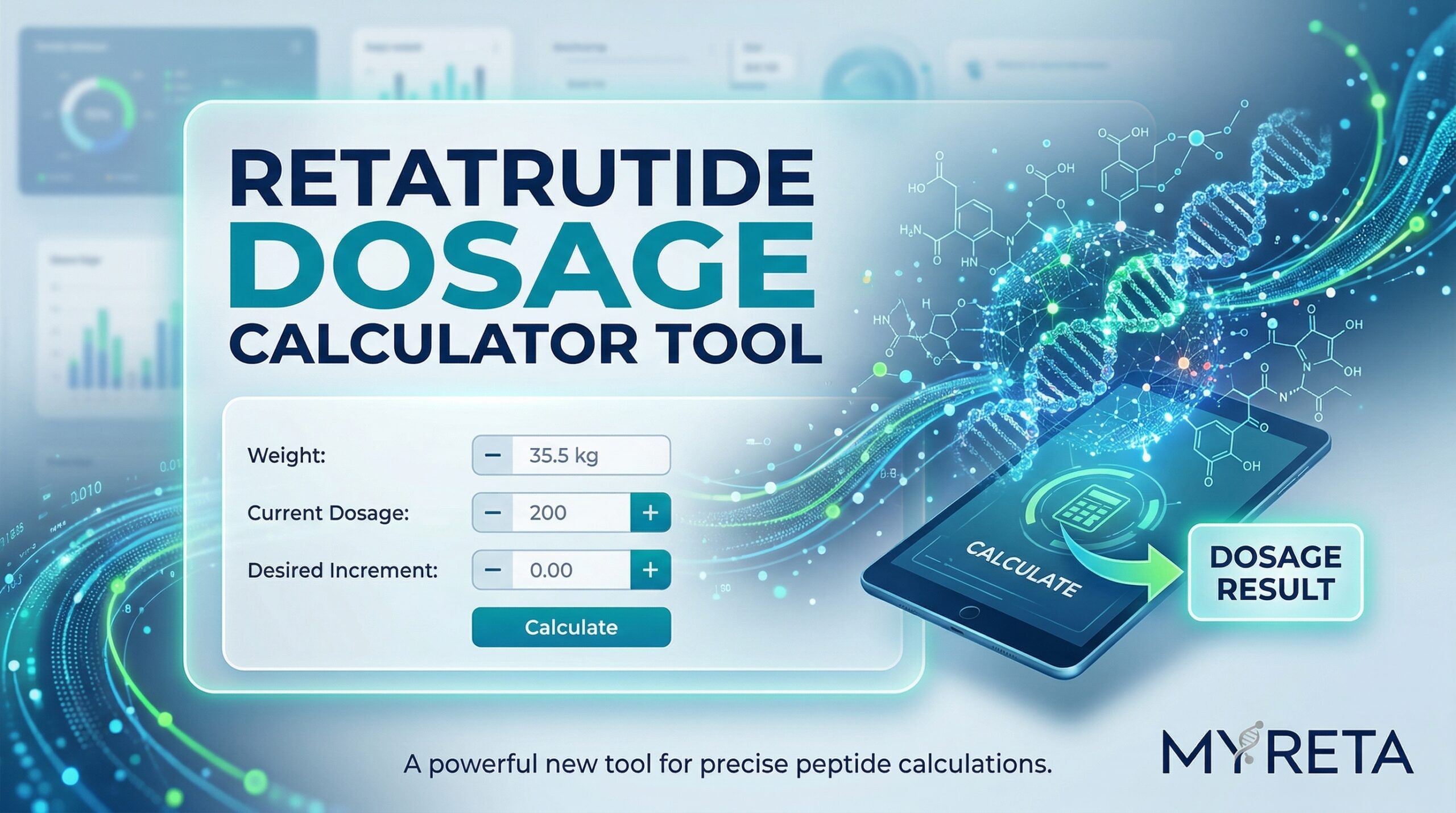
  • Retatrutide Dosage Calculator Tool

    Retatrutide Dosage Calculator Tool

    Retatrutide Dosage Calculator: Understanding Clinical Titration

    Explore the science behind the triple-agonist research compound and how clinical titration protocols are structured.

    Learn About the Compound

    Retatrutide is an experimental medication currently being studied for obesity and type 2 diabetes. As interest in this “triple agonist” grows, many people are looking for information on how it is administered. This Retatrutide dosage calculator is for educational purposes only; it is designed to help you understand the titration schedules used in clinical trials.

    Important Medical Disclaimer: Retatrutide is not yet approved by regulatory bodies like the MHRA, FDA, or EMA. This tool is not a prescription. Never use this information to self-medicate. Always consult a qualified healthcare professional before considering any weight management medication.

    What is Retatrutide?

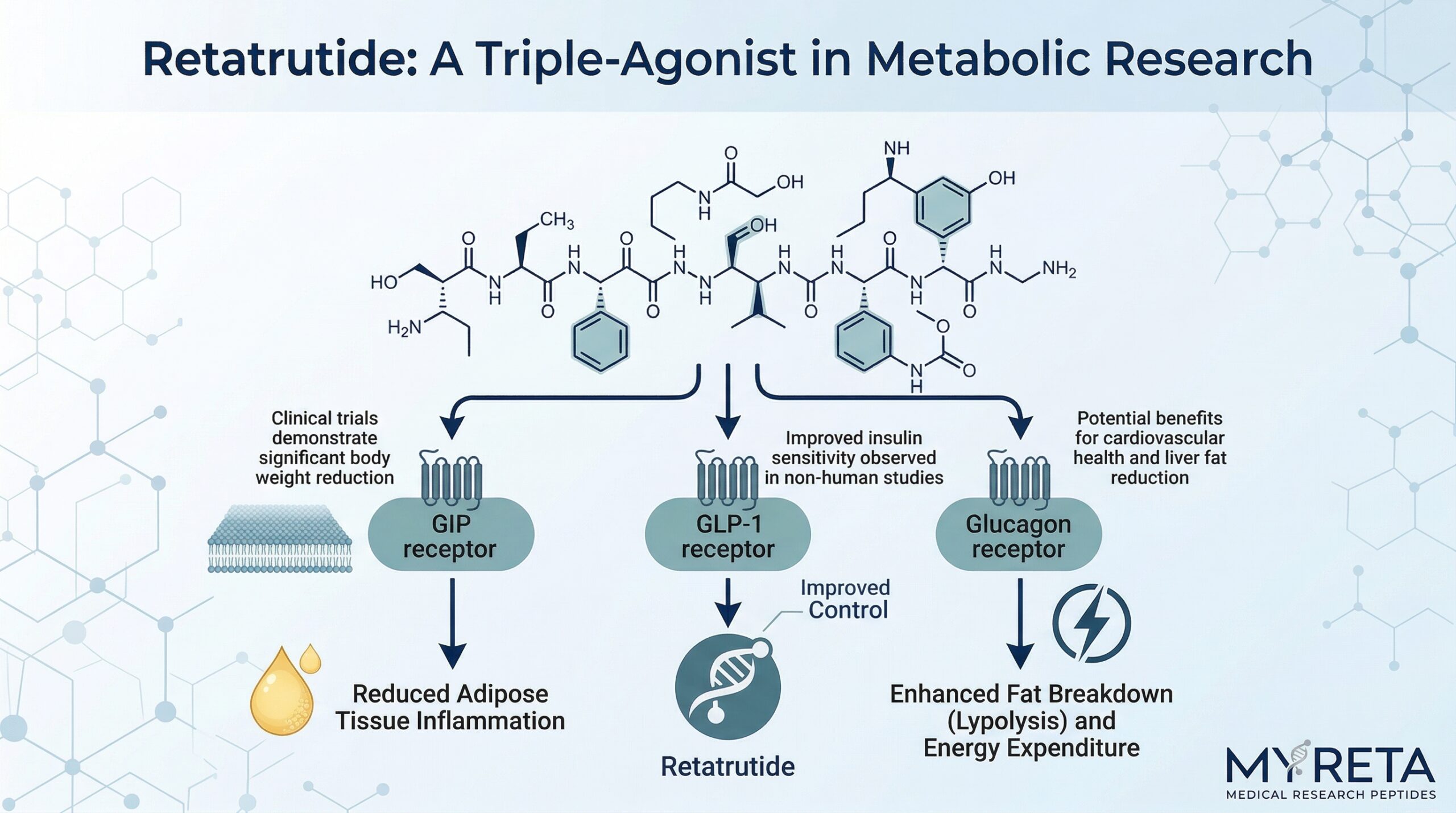
    Retatrutide is a triple hormone receptor agonist. Unlike treatments that target one or two receptors, it activates three simultaneously:

    • GLP-1 Receptor: Stimulates insulin secretion, suppresses glucagon, slows gastric emptying, and promotes feelings of fullness.
    • GIP Receptor: Increases insulin secretion and affects energy expenditure and fat metabolism.
    • Glucagon Receptor: Boosts energy expenditure and promotes fat oxidation.

    Clinical Trial Data and Efficacy

    Phase 2 trial results have made Retatrutide a major focus in metabolic medicine. In studies published in the New England Journal of Medicine, participants on the highest dose (12mg) lost an average of over 24% of their body weight after 48 weeks.

    Dosage and Titration Protocols

    In clinical trials, Retatrutide is given as a once-weekly subcutaneous injection. Because the body needs time to adjust, doctors use a “titration” process—starting at a low dose and gradually increasing it over several weeks.

    • Starting Dose: Typically 2mg.
    • Titration: Doses are increased incrementally based on individual tolerance.
    • Maximum Dose: Clinical trials have tested doses up to 12mg.
    Read Latest Research Updates

    Frequently Asked Questions

    Is Retatrutide available for purchase?

    No. Retatrutide is still in clinical development and is not available for public prescription or purchase.

    How does the dosage calculator work?

    The calculator provides an estimate based on published clinical trial titration schedules. It is meant to show how doctors manage dose escalation in a controlled setting. It does not account for your medical history or current health status.
  • Retatrutide – What is Reta? – People who’ve seen the news about Phase 3 trial results wanting to learn more (informational)

    Retatrutide – What is Reta? – People who’ve seen the news about Phase 3 trial results wanting to learn more (informational)

    Retatrutide: A Triple-Agonist in Metabolic Research

    Exploring the potential of the Reta-class of triple hormone receptor agonists in metabolic research contexts.

    Read Latest Research

    Research into obesity and type 2 diabetes is evolving rapidly. Following the success of GLP-1 receptor agonists, pharmaceutical research has shifted toward more complex, multi-hormonal therapies. Eli Lilly’s retatrutide, an investigational triple hormone receptor agonist, is currently a focus of research in metabolic science.

    Clinical data, including results from the March 2026 Phase 3 TRANSCEND-T2D-1 trial, suggests that retatrutide exhibits properties relevant to weight regulation and glycemic modulation in research models. By targeting the GIP, GLP-1, and glucagon receptors simultaneously, the molecule has demonstrated effects that warrant further scientific investigation.

    The Science of the Triple Agonist

    Retatrutide’s unique mechanism of action distinguishes it from other compounds studied for metabolic effects. While traditional GLP-1 agonists focus on a single pathway, retatrutide functions as a “triple agonist,” integrating signals from three distinct metabolic receptors:

    • GLP-1: Associated with slowed gastric emptying, appetite modulation, and glucose-dependent insulin secretion.
    • GIP: Associated with improved insulin release and regulation of food intake.
    • Glucagon: Associated with increased energy expenditure and metabolic regulation, including the breakdown of stored energy.

    Recent Developments and Clinical Trials

    The investigation of retatrutide has been marked by consistent data across several key studies, positioning it as a subject of significant interest for future metabolic research.

    • July 2023: Phase 2 trial results indicated observed effects relevant to obesity, type 2 diabetes, and metabolic dysfunction-associated steatotic liver disease (MASLD).
    • March 2026: Eli Lilly announced topline results from the Phase 3 TRANSCEND-T2D-1 trial, reporting significant A1C reductions and weight loss in study subjects.

    Regulatory Status

    Retatrutide is not yet approved by regulatory bodies. It is currently an investigational compound restricted to clinical research settings. Access to such compounds is limited to legitimate, authorized research protocols.

    Frequently Asked Questions

    What is retatrutide?

    Retatrutide is an investigational triple-hormone receptor agonist that mimics the biological effects of GLP-1, GIP, and glucagon, under investigation for its role in blood glucose regulation and weight modulation.